Romanticism Revival (2024)
Words, Modeling, and Styling – Interview with Nelson Anthony
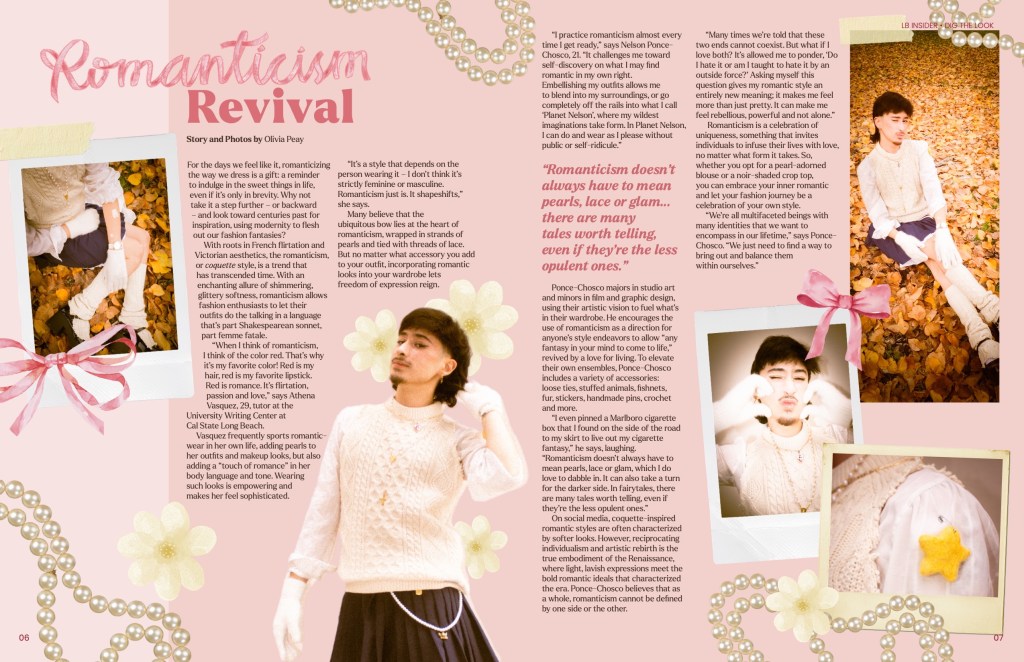
Read more: My DIG Magazine Interview.
Shot by Olivia Peay | Graphics by Genevie Nguyen
Planet Nels⏻n (2024)
Typography and 3D Rendering – Nelson Anthony

As an artist, I explore sculpture and three dimensions as a form of exploring different perspectives physically and also socially. I embrace curiosity. I am eager to learn more about the world and understand it. This project is an act of empowering my identity and autonomy but also wanting to connect with others. I find that for many first generation Latine Americans, connecting with culture can be a struggle. Many Latine families utilize social networks to speak to relatives back home. With that, I took inspiration from logo designs used in nostalgic tech. I utilize the color blue in my work as a staple of my Guatemalan Roots. Being queer and alternative as a Latine person is often a struggle in my personal experience, as well. I get slack from both communities, but still hold care for both. I want my work to connect with others, but I also do not want to lose myself in the process. I am proud of my identity as a Queer Guatemalan American.
“N𖣠w in C𖣠L𖣠r” (2025)
Creative Direction – Nelson Anthony
Polka Dot Prints in Fashion for Campus Couture Long Beach
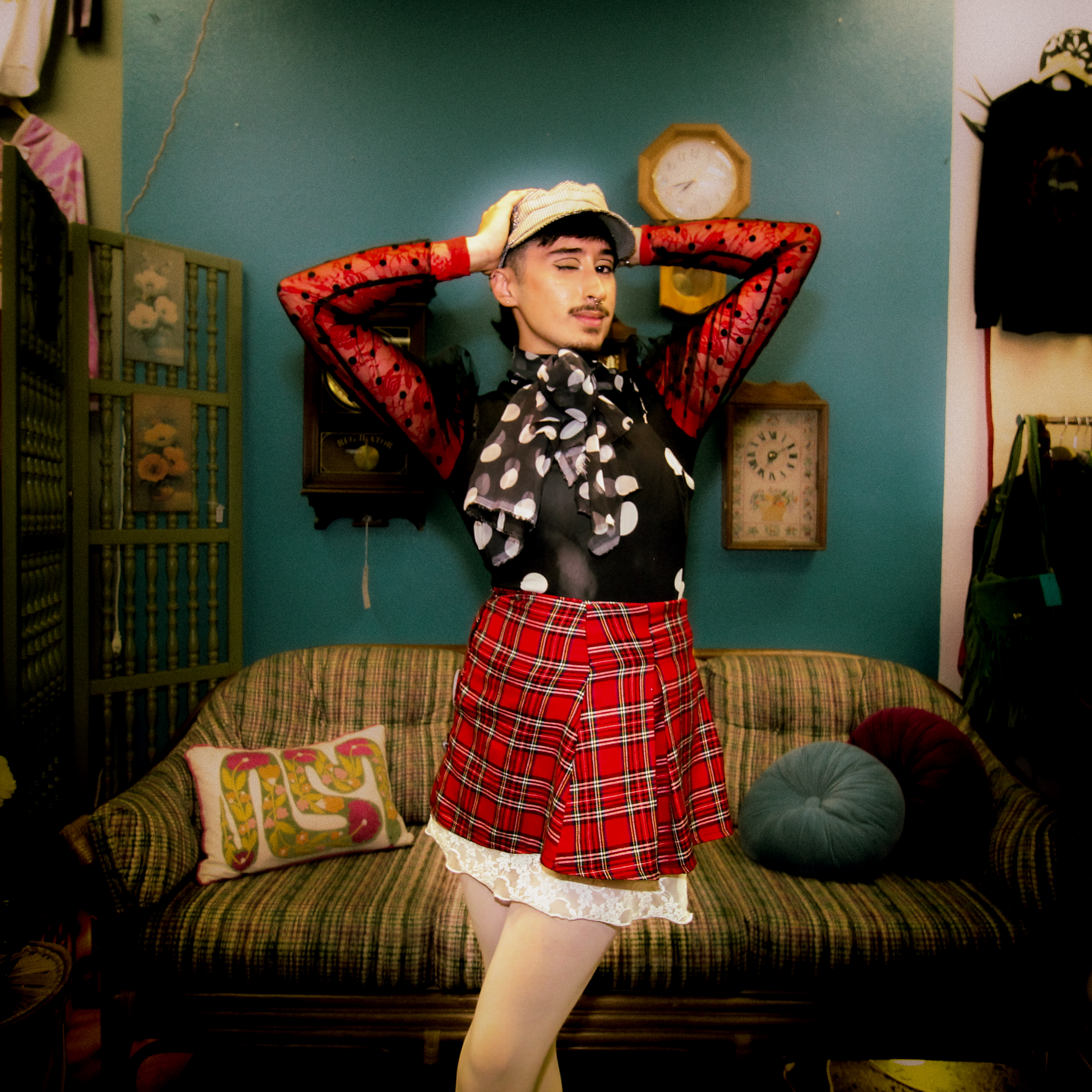
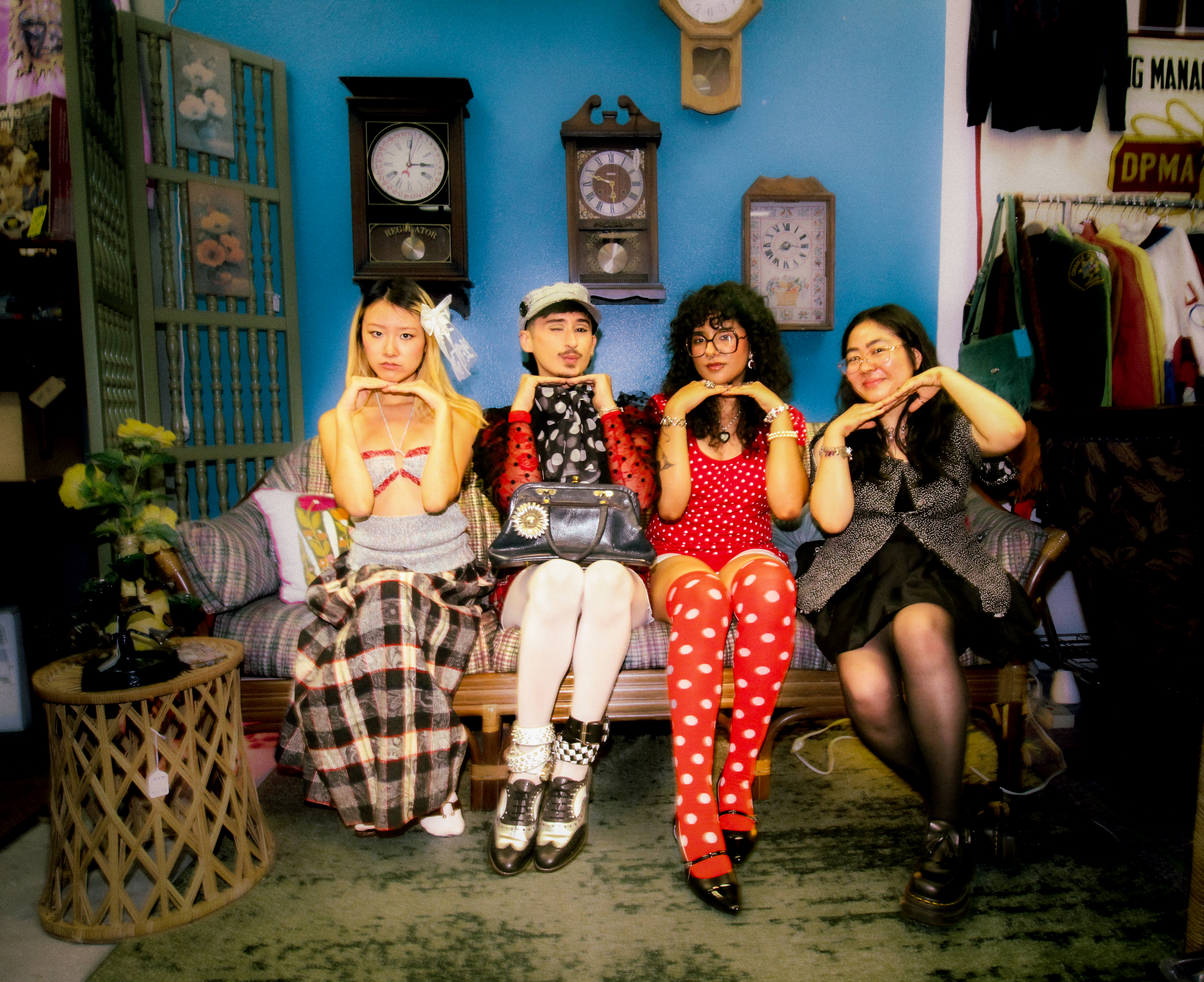
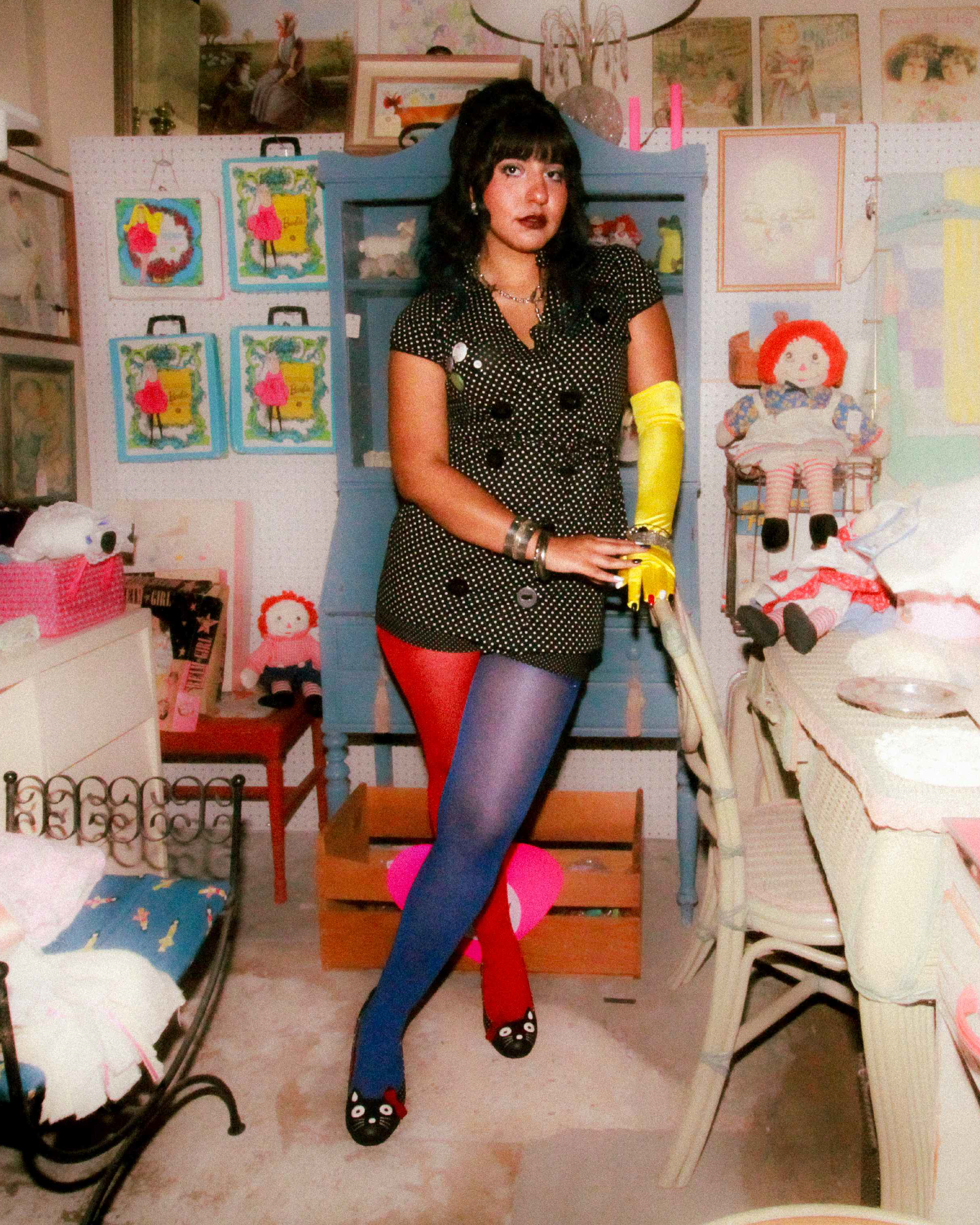
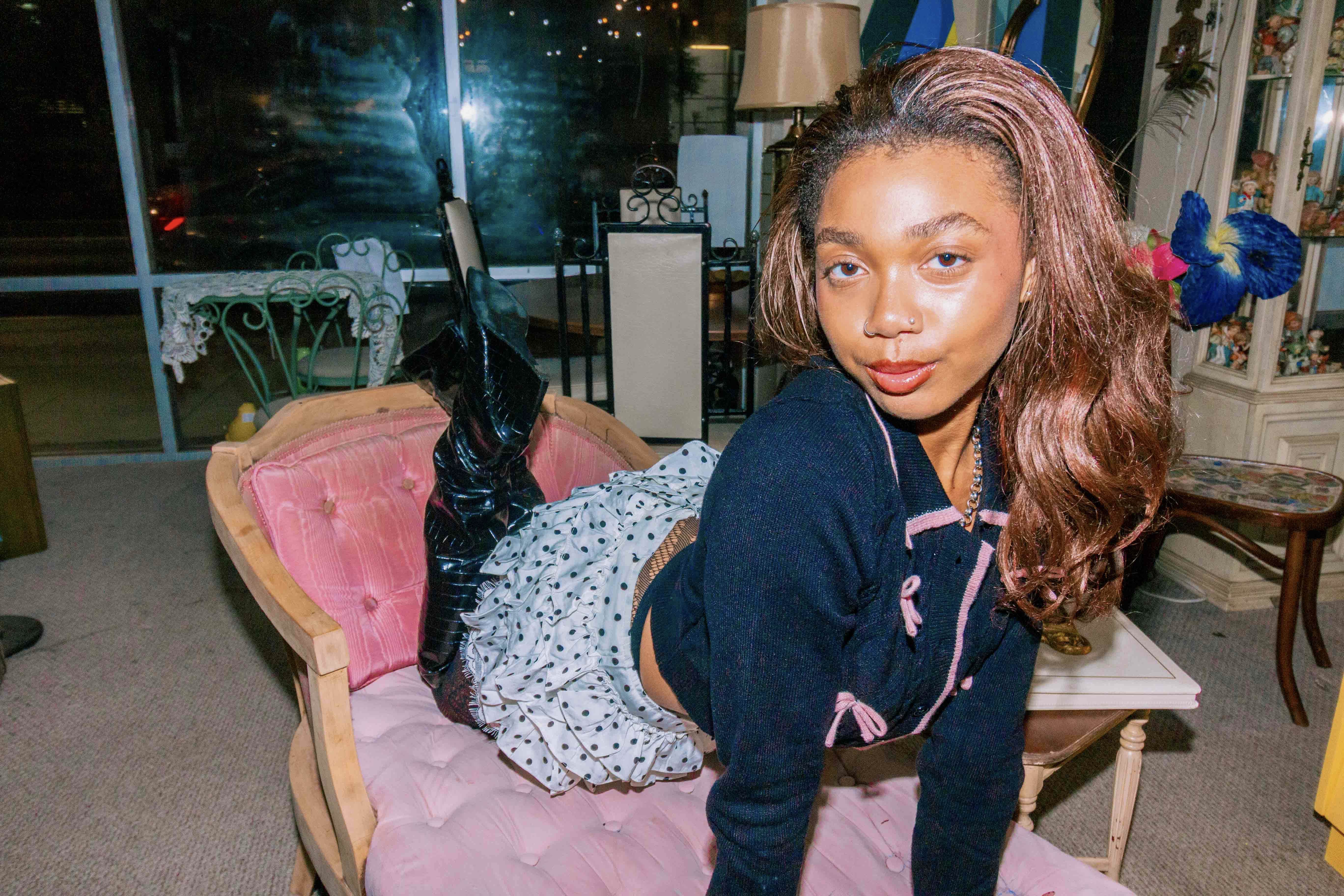
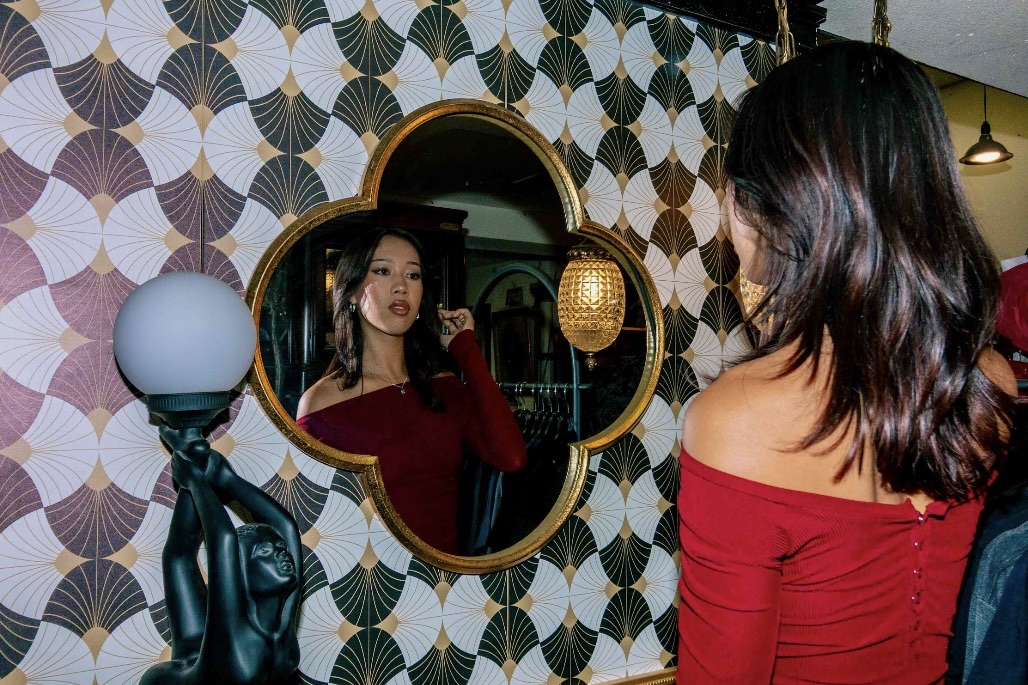
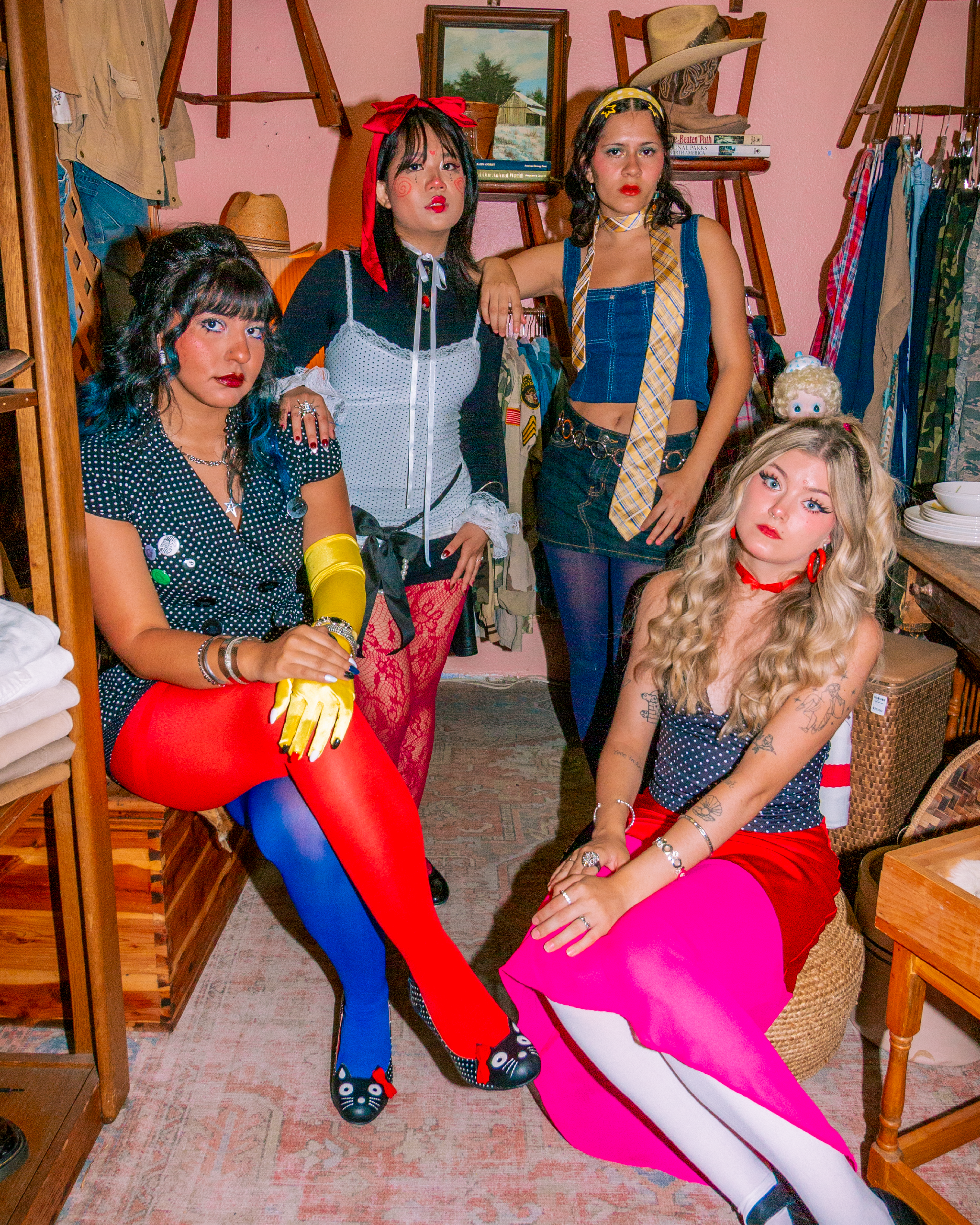
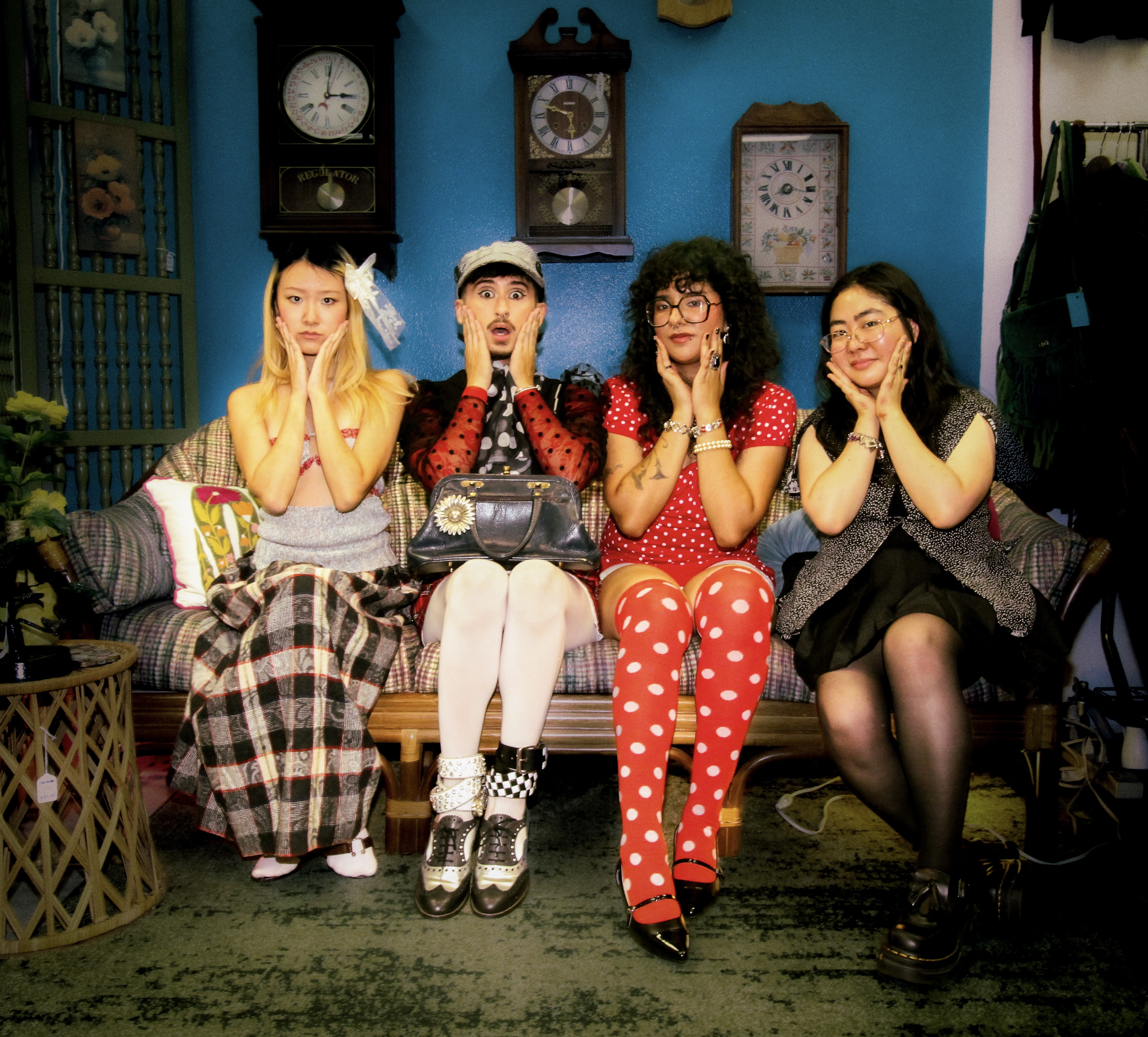
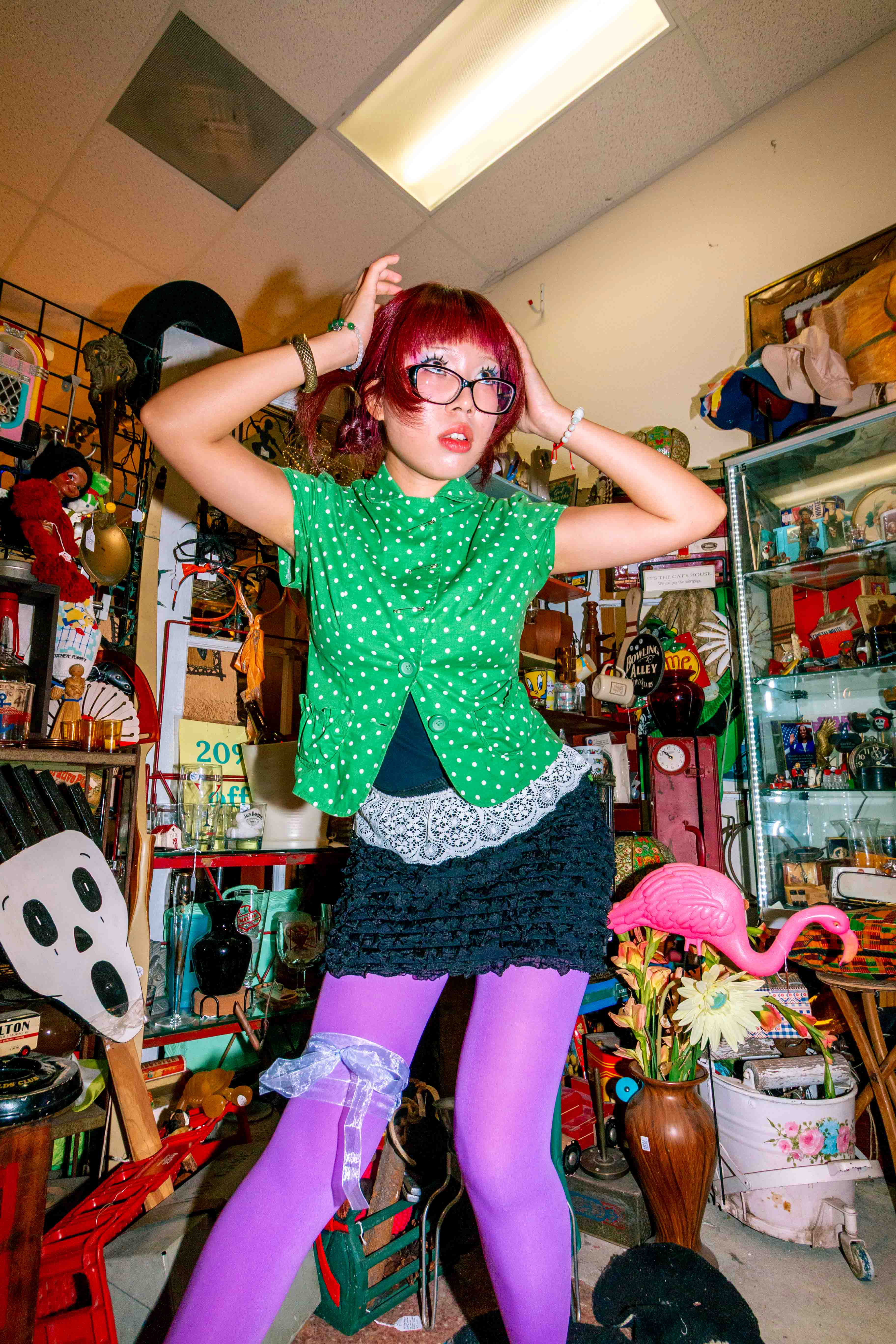
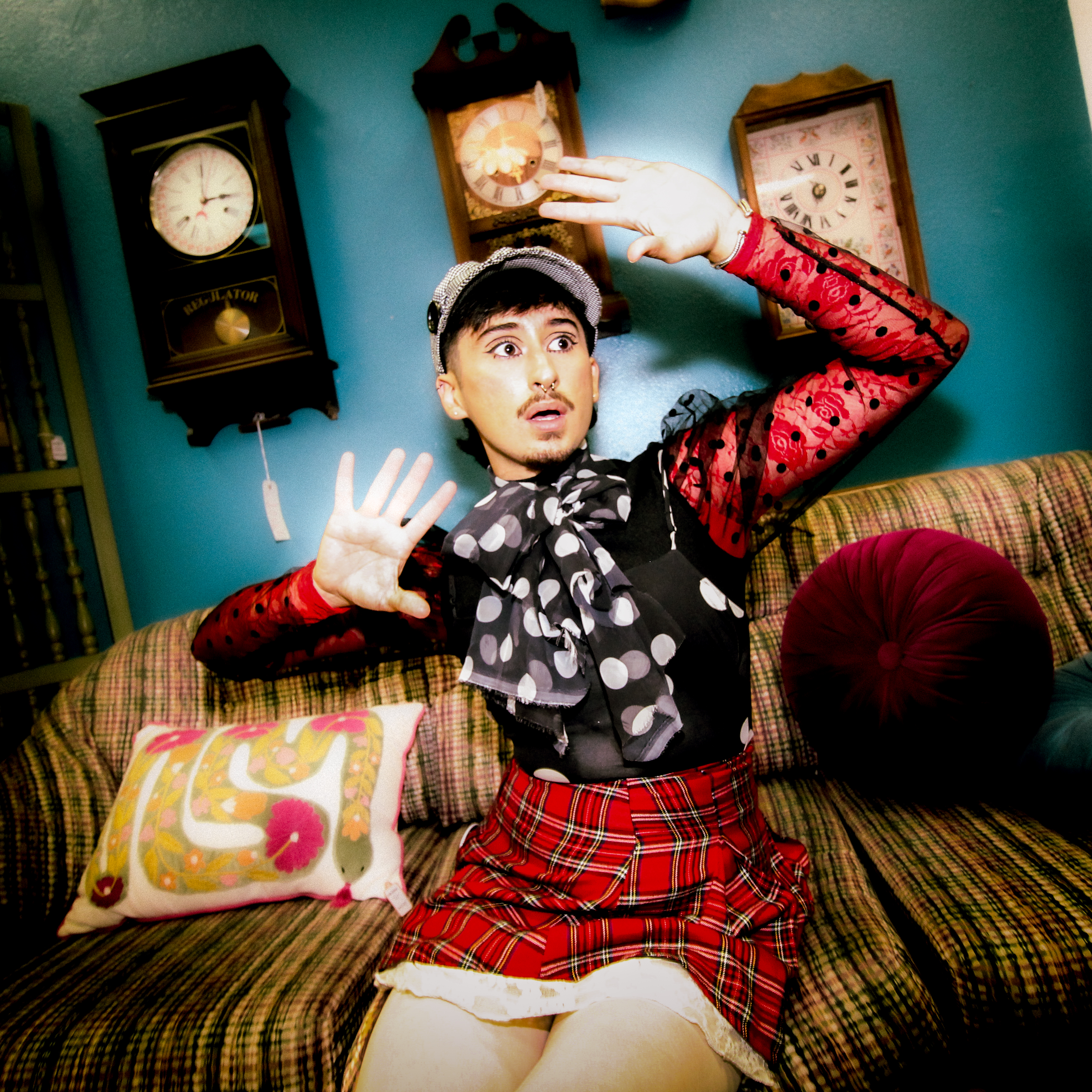
Creative Direction by Nelson Anthony: Set in a Vintage shop, this shoot explores culture’s current recession and its influence on modern fashion. The reemergence of polkadots and red lipstick is a recession indicator also seen in 1950s-60s fashion. It was a form of wanting to feel classy and luxurious in times of recession. This project marks the start of the Print-𖣠-Verse series, where we explore prints in fashion through time and pattern recognition.
Shot by Natasha Cohen and Kimberly Wong
“New FL𖣠wer P𖣠wer” (2025)
Creative Direction – Nelson Anthony
Florals in fashion for Campus Couture Long Beach
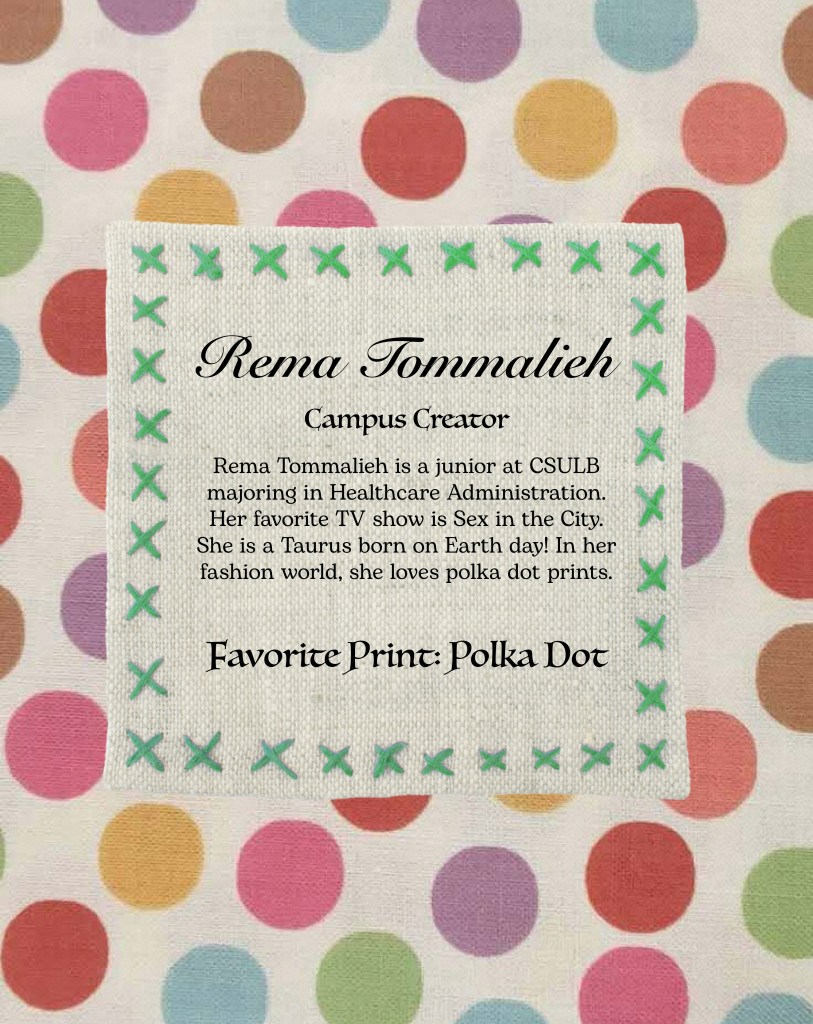
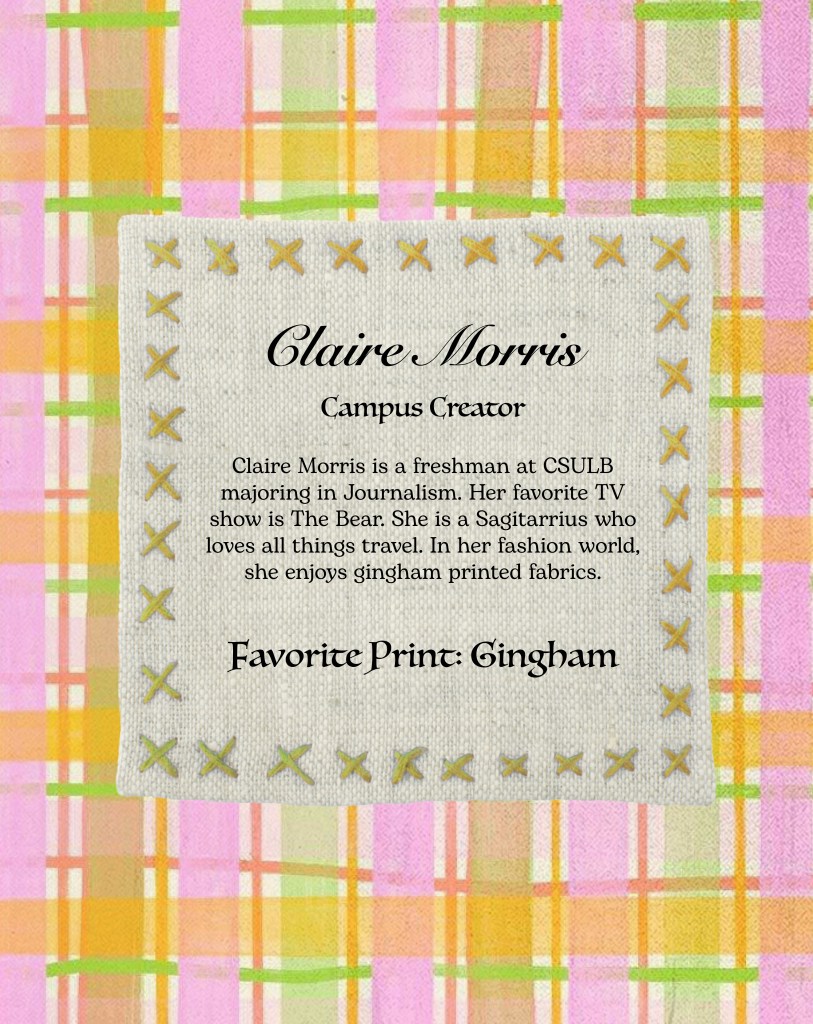
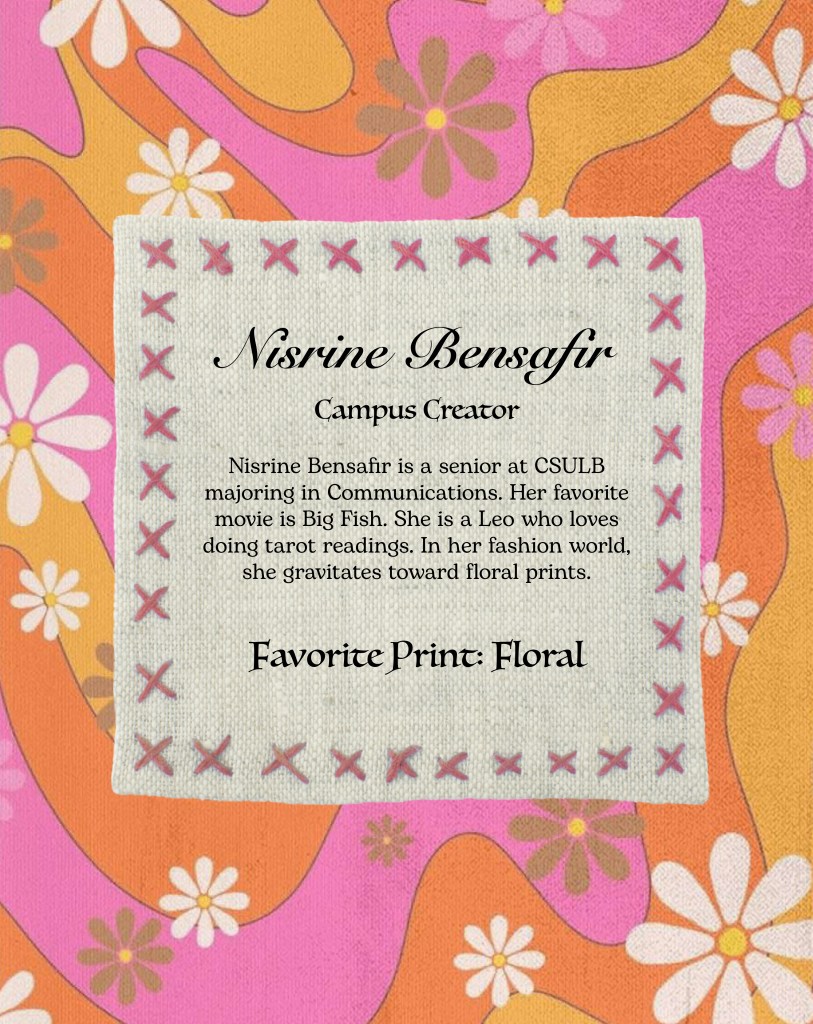
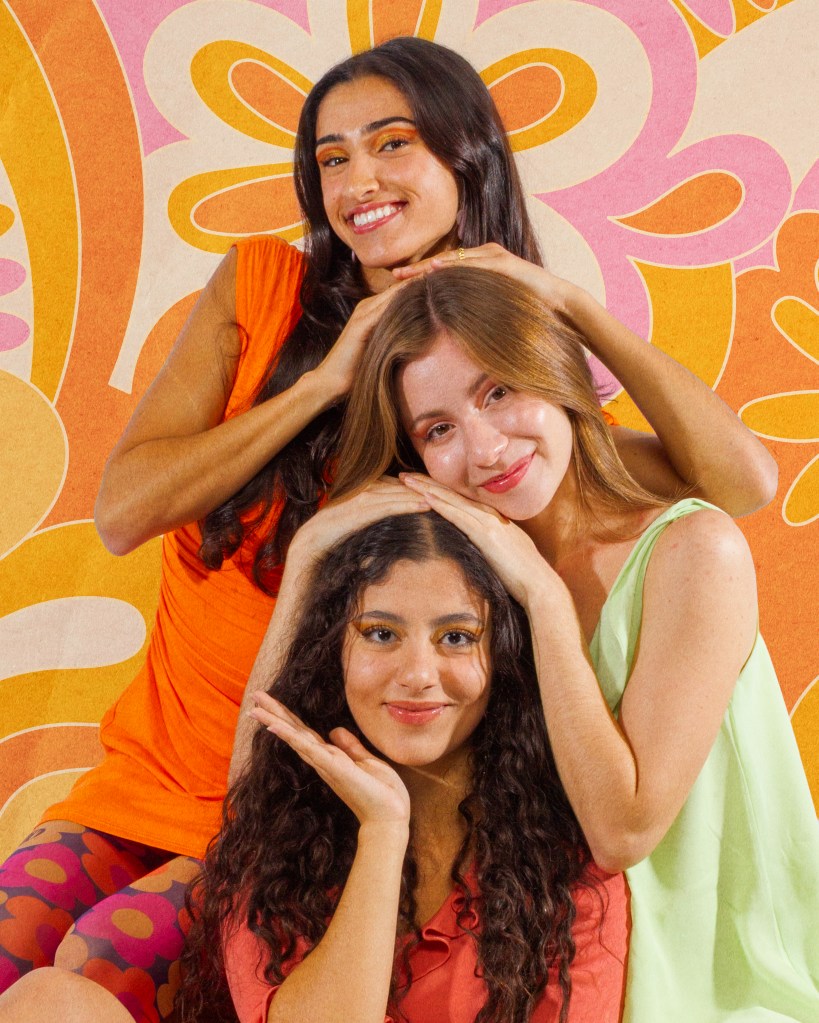
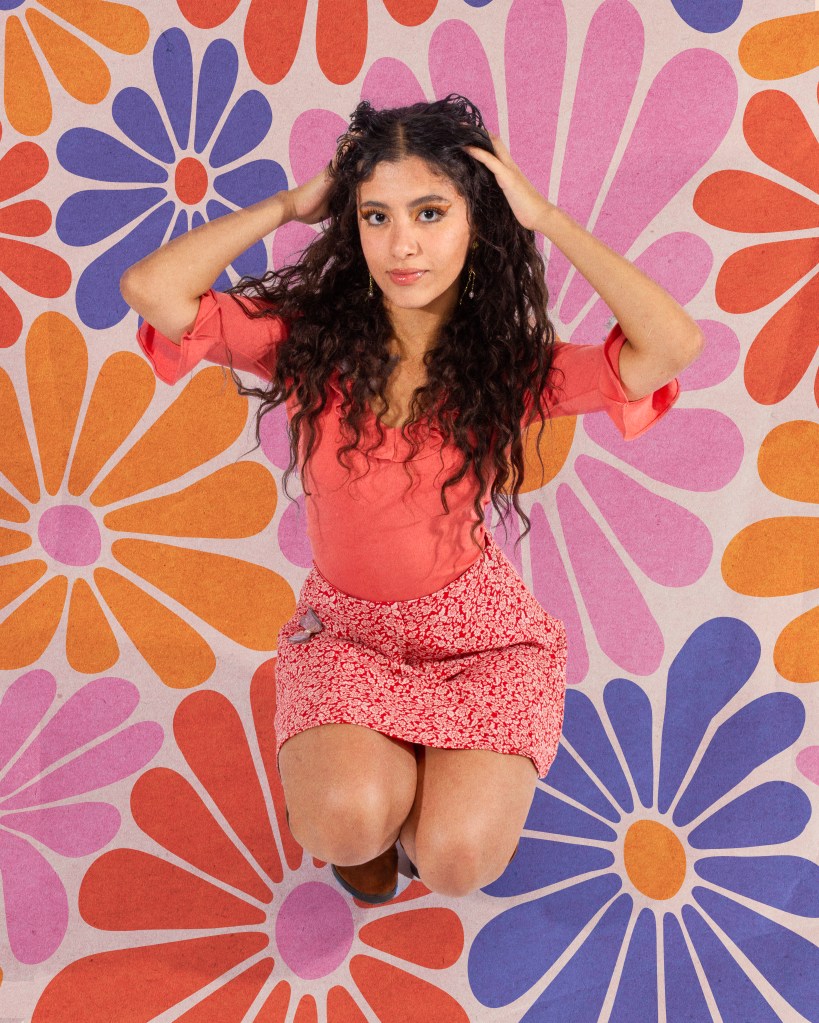
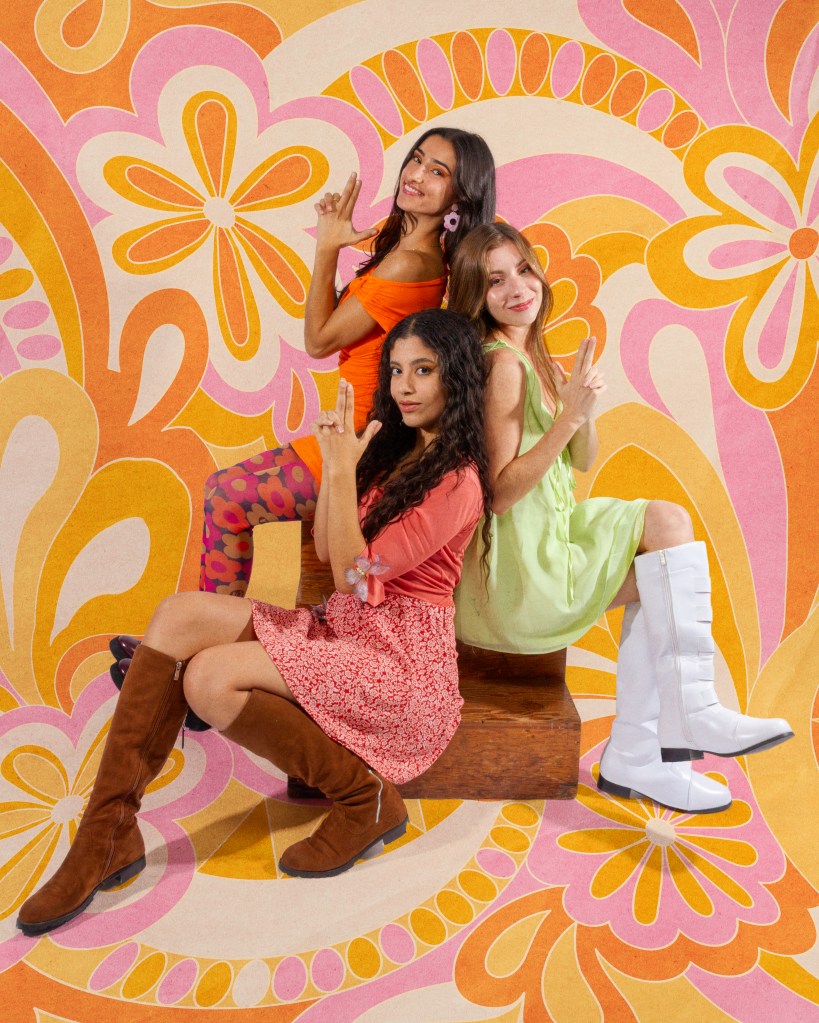
Creative Direction by Nelson Anthony: This is a nod to the 1960s Flower Power Movement with an intersectional feminist twist. Common criticism of the 1960s Flower Power Movement is that it was too white and upper-middle class. This shoot features a diverse group of women models empowering womanhood and femininity. The title cards graphic designed by me.
Shot by Ximena Rodriguez | Models: Rema Tommalieh, Claire Morris, Nisrine Bensafir
Creative Direct𖣠r’s Past (2026)
Creative Direction – Nelson Anthony | Assisted by Kelli Upton
Black Power in Black Dandy fashion for Campus Couture Long Beach
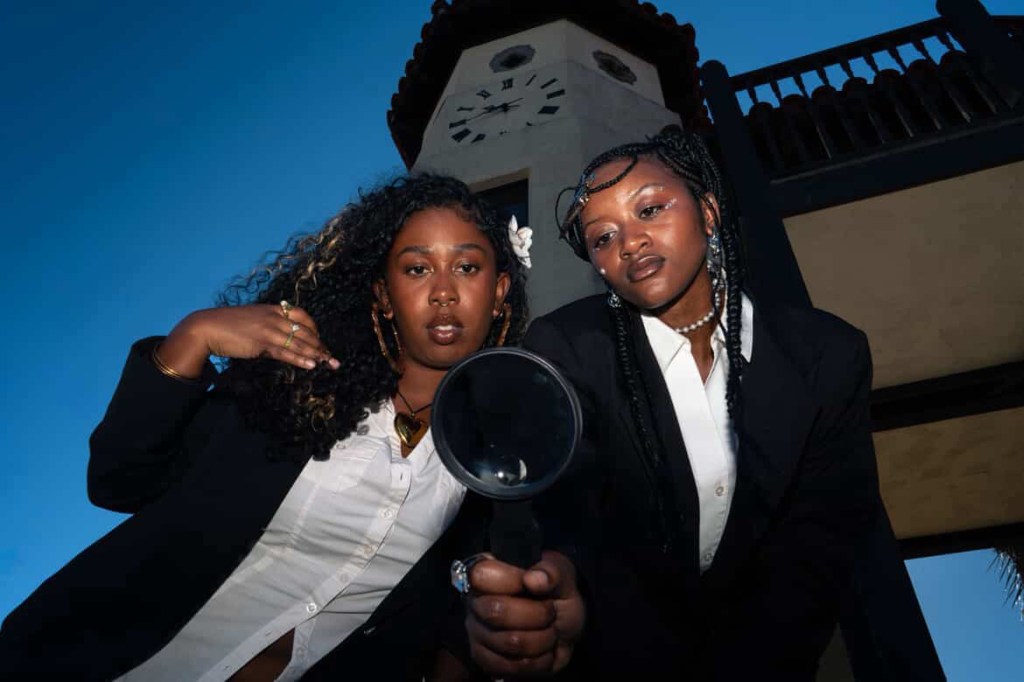
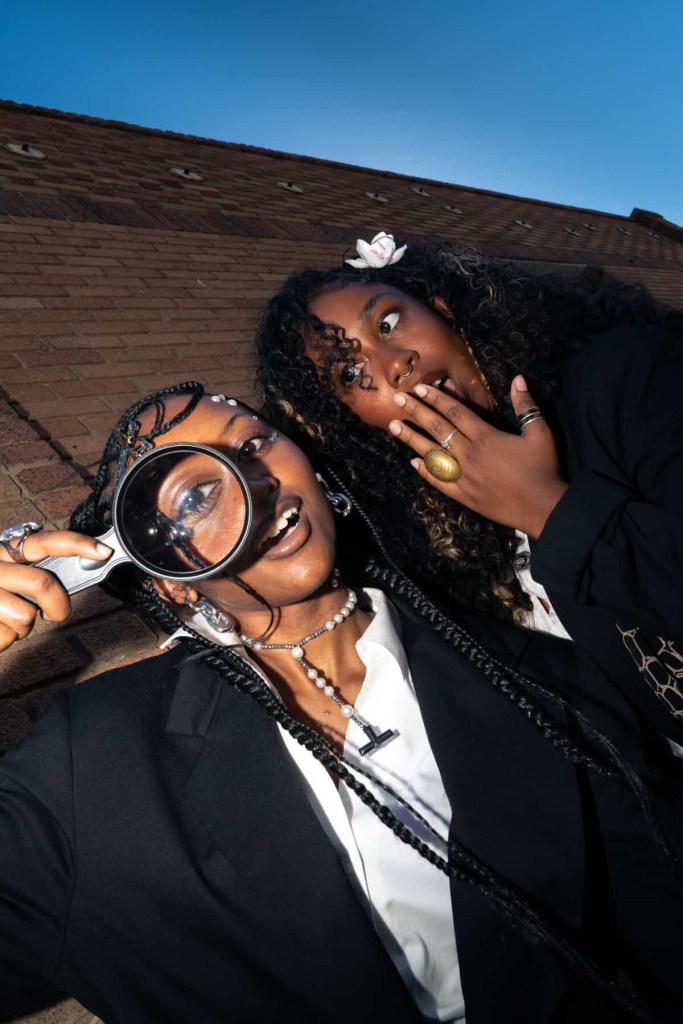
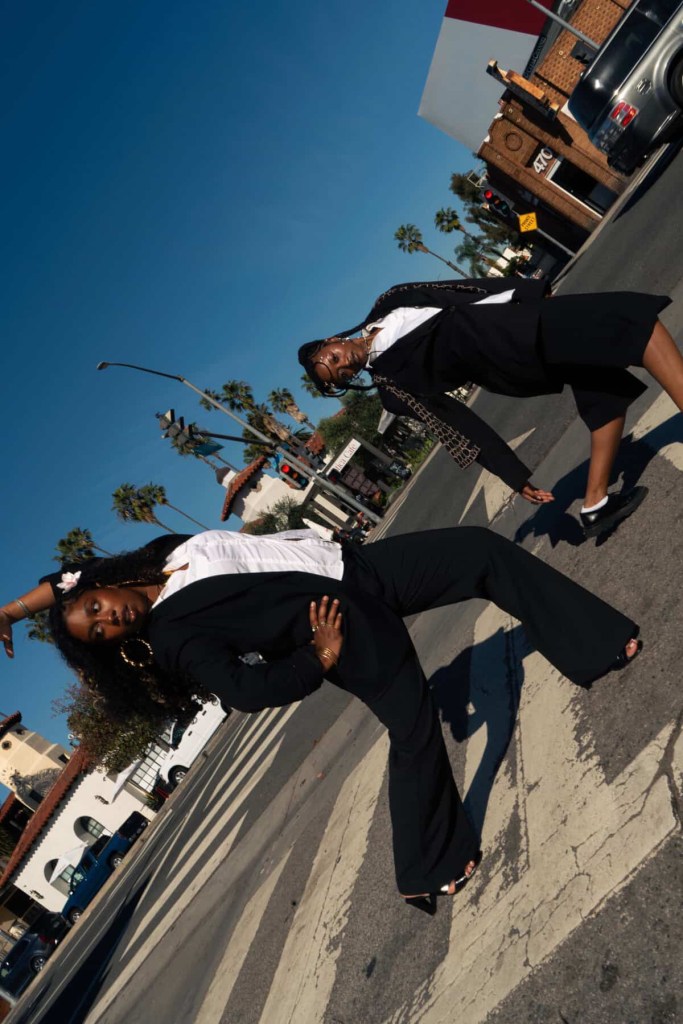
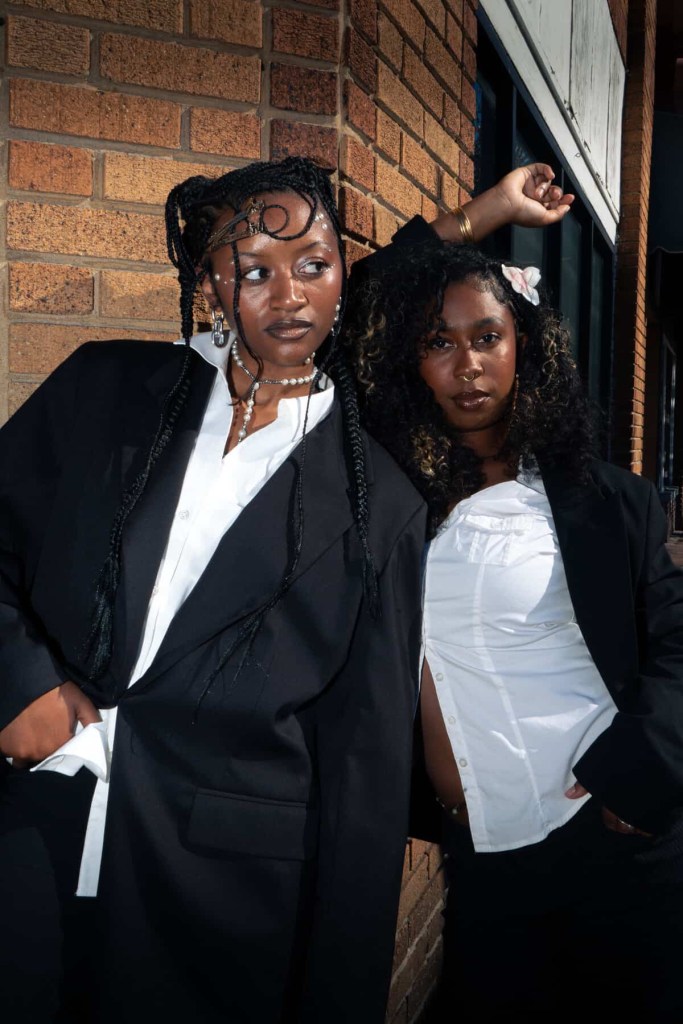
Creative Direction – Nelson Anthony | Assisted by Kelli Upton: Many art spaces have been pioneered by black artists and other artists of color who are often overlooked. The premise of this shoot is to pay respects to past creative directors in Campus Couture History. Photographed are Anjali Knight and Ahni Dominique, two black women who are actively crossing creative bounds to pave ways for black artists alike.
Shot by Catarina Carpegiani | Models: Anjali Knight and Ahni Dominique
Club Kid ⏻n⏻m⏻lies (2025)
Full Styling/Makeup Contribution – Nelson Anthony
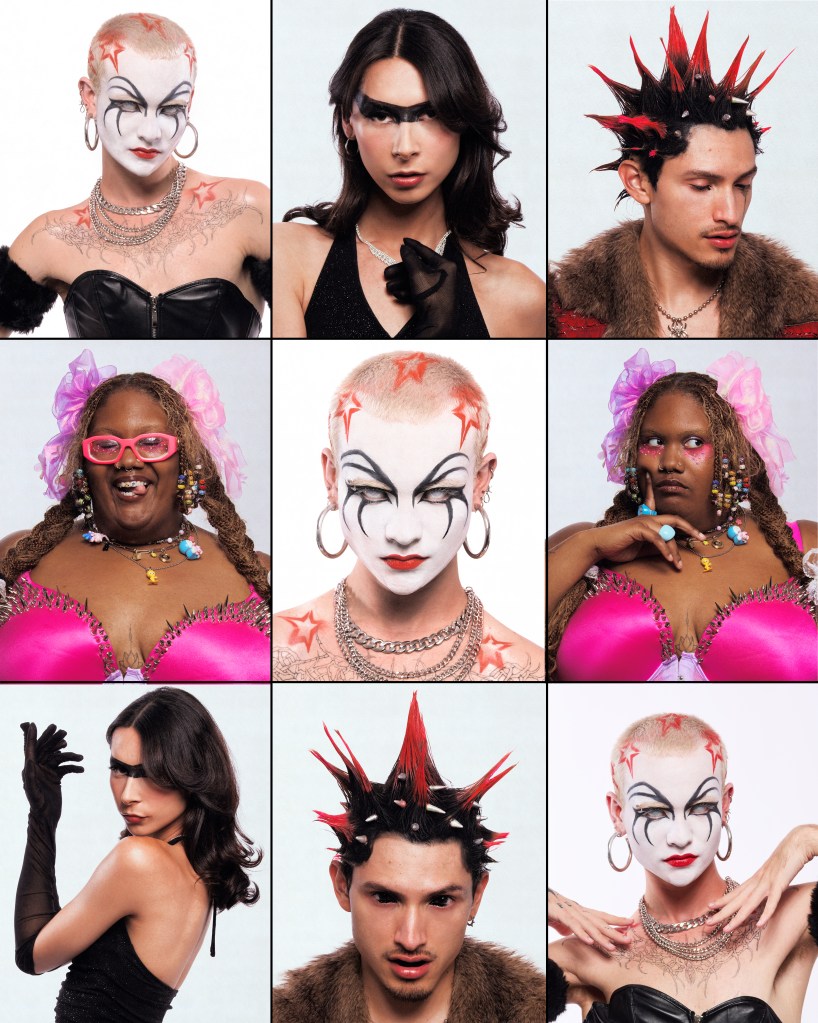
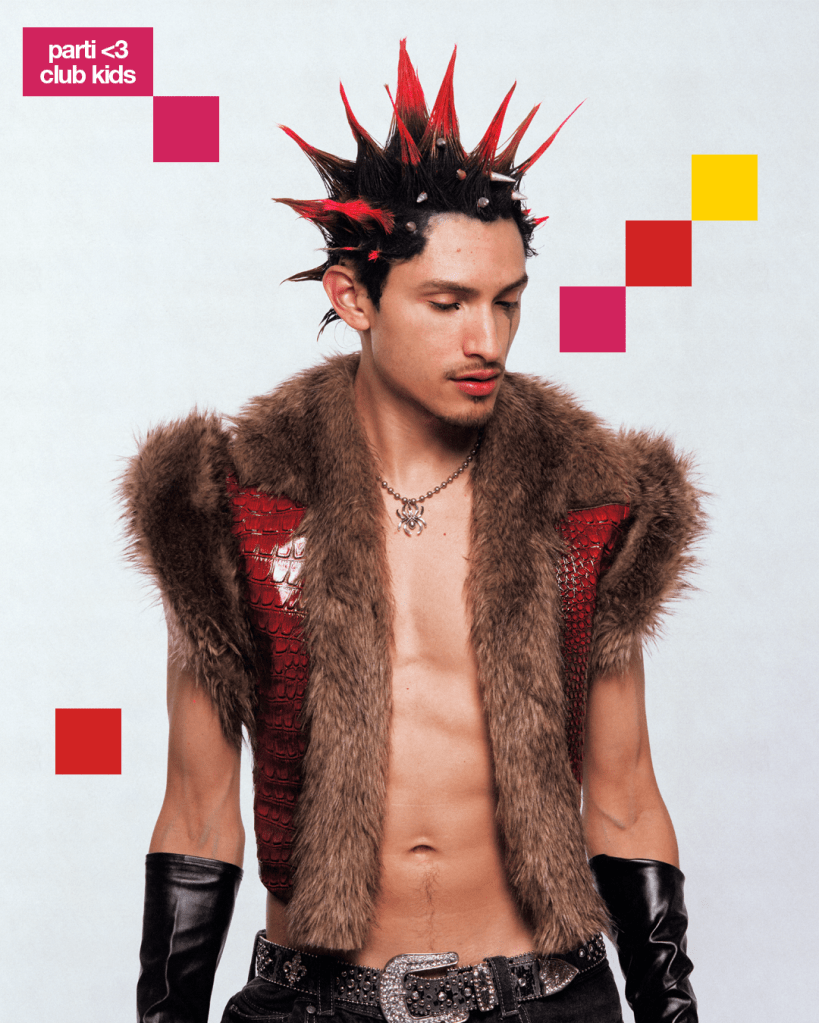
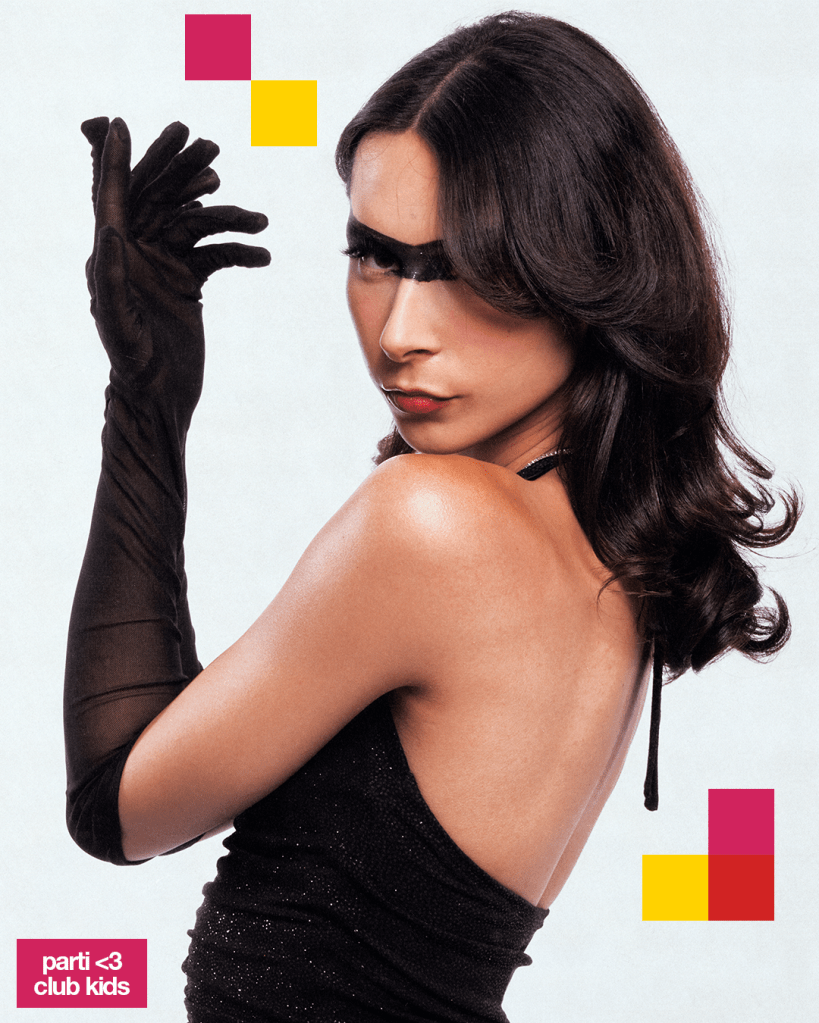
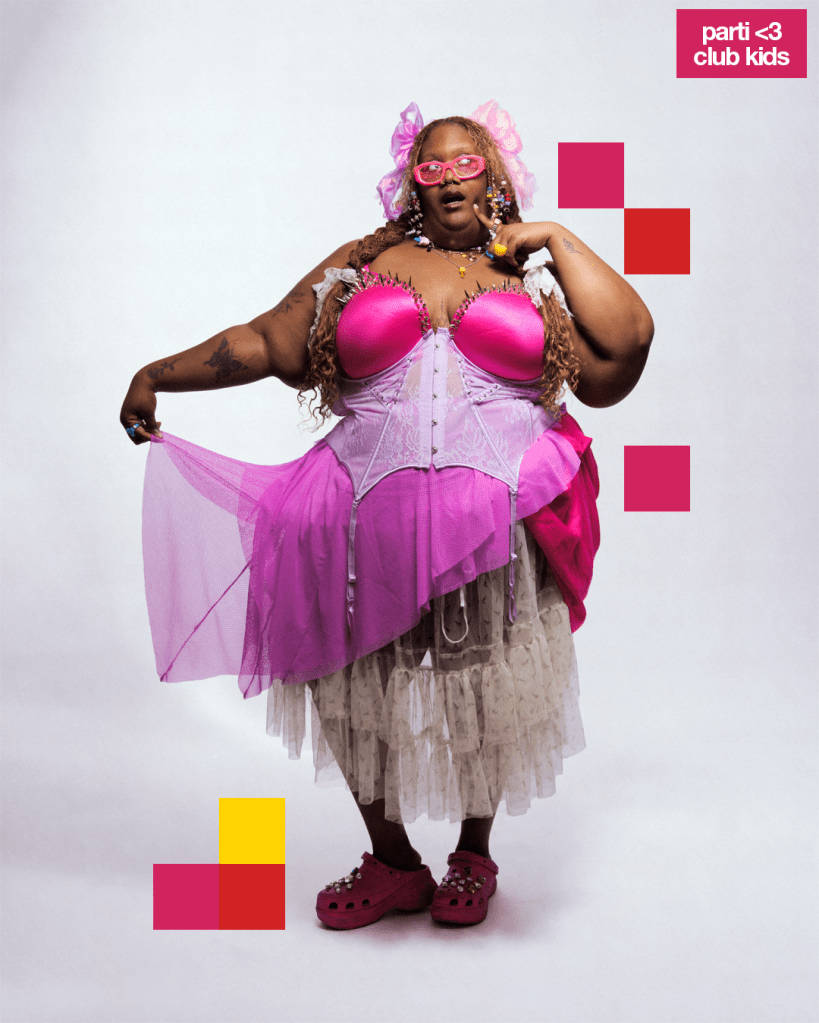
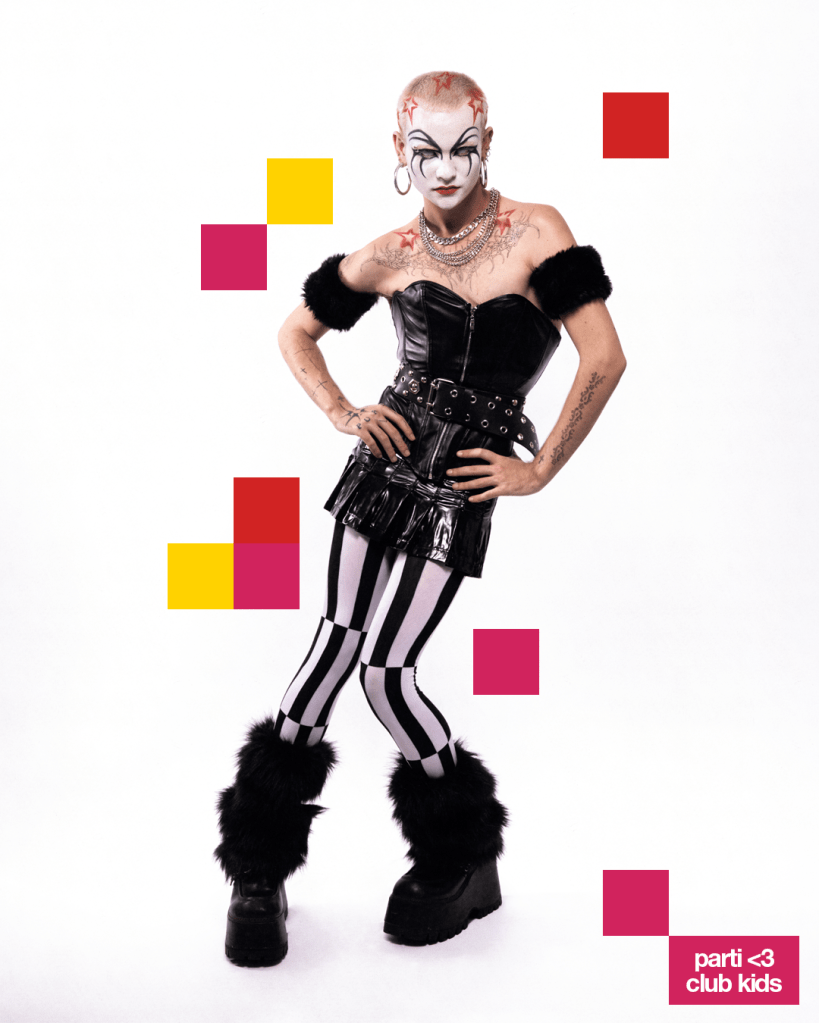
Creative Direction by Rob Nelson: ★ Parti Los Angeles explores and empowers queer youth and night life Club Kids style for Pride Month. This shoot is inspired by the Club Kids Movement in the 1980s. My fashion is heavily inspired by Club Kids and I want to keep the culture alive. In ༄T⏻ggLe c⏻miCs♪⋆, this project marks the rise of the ⏻n⏻n⏻mly, said to harness superhuman abilities.
Shot by Kaio Cesar
GR⏻W A Pair!(2026)
Tyvek and Wires Sculpture – Nelson Anthony
30x20x50 inches
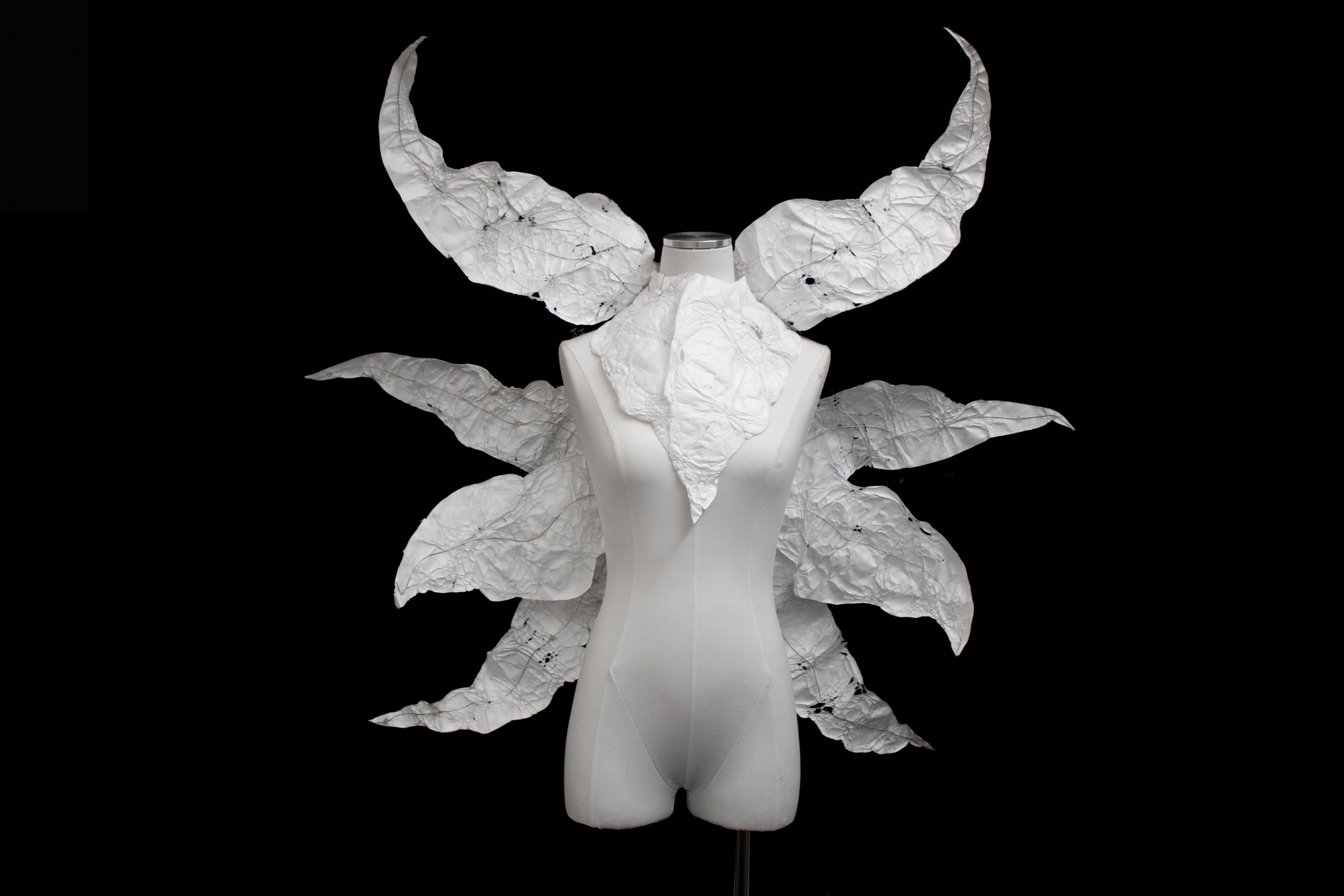
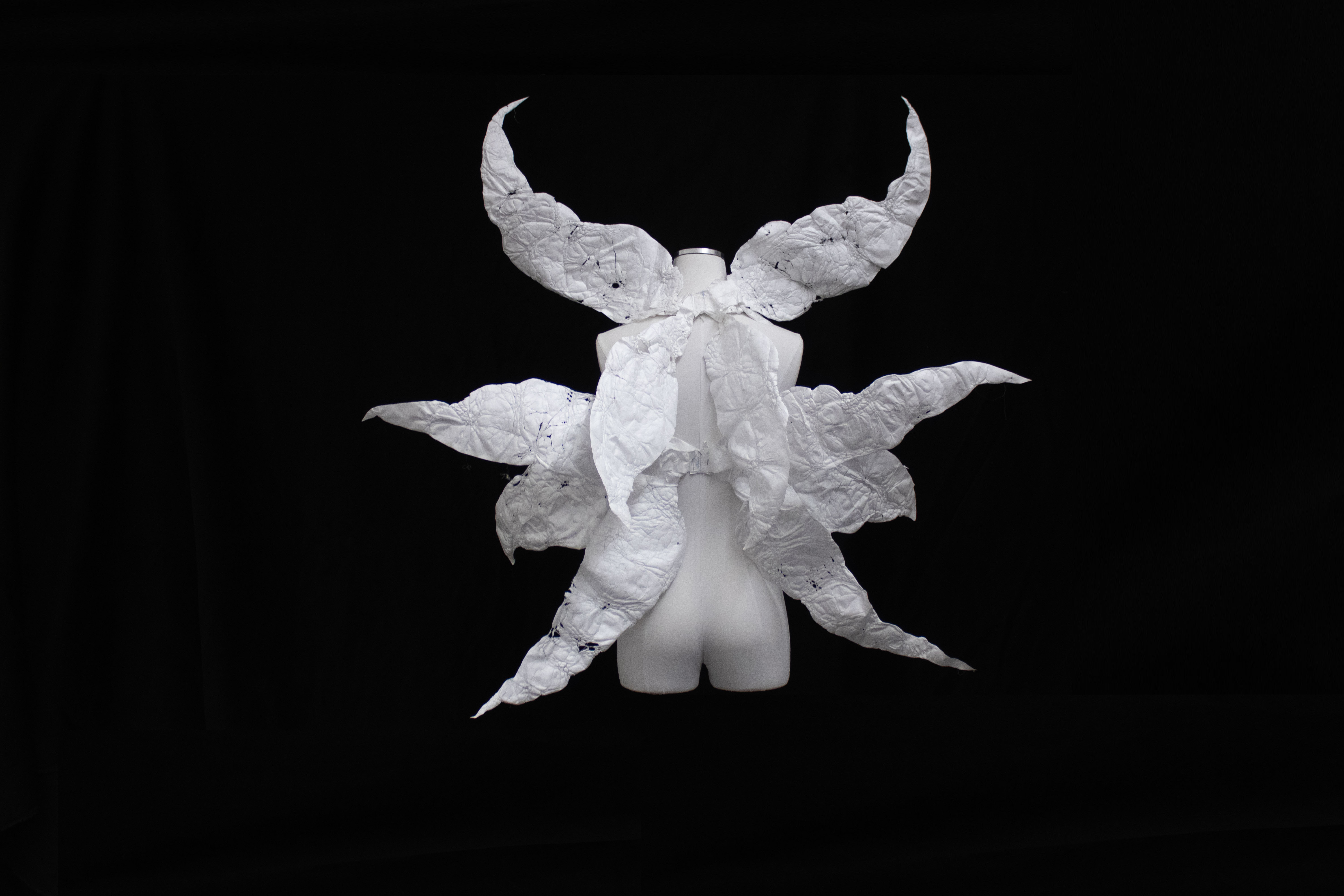
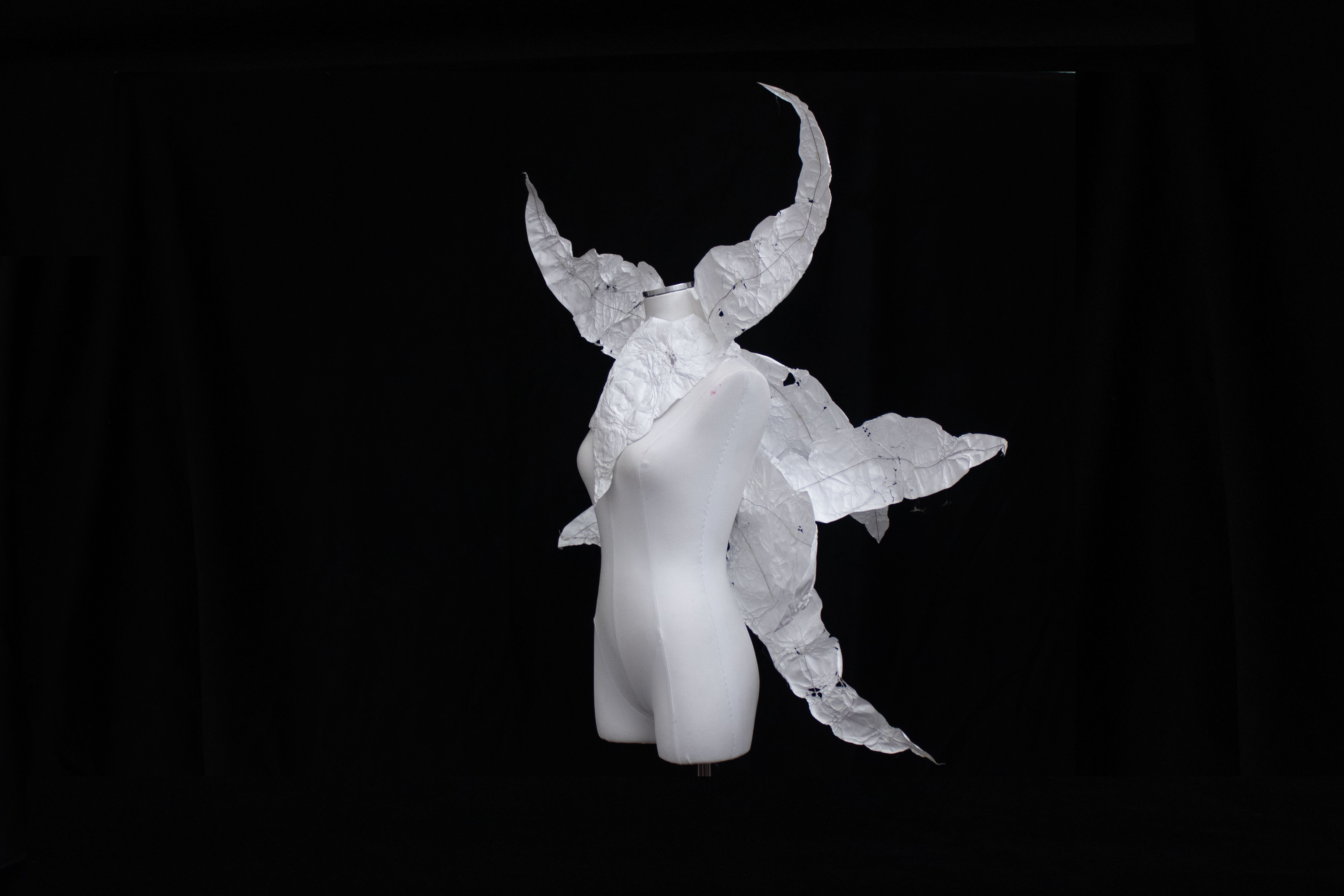
This piece explores queer metamorphosis after conversion therapy. My piece titled “GROW A PAIR” is inspired by fairy folklore mixed in with biblically accurate angel imagery. This piece is not religious by any means, but instead showcases metaphorical metamorphosis from overcoming religious oppression. As I grew up queer in a Christian church and religious household, I was told to man up a lot as many young boys are told to in a patriarchal society. In other words, boys are told to “grow a pair,” to encourage them to not feel, but instead suppress. For example, when I was younger, I was put into conversion therapy for being queer when I came out at 15. During these developmental years, I was told so many offensive phrases that were subconsciously internalized into self-hatred, depression, and isolation. As I have matured into my adulthood, I have found true love within myself that I am so grateful to experience. The self validation of my self concept brings true fulfillment into my life, so much so that I have turned the phrase “grow a pair” on its head and made it my own. This metamorphosis has brought a light into my life that no force religion ever did. Instead of its original offensive connotation, I have reclaimed it to symbolize growing a pair of wings in an act of coming out to later soar into true freedom.
Mask ⏻n/ Mask ⏻ff (2025)
Wearable Ceramic Sculpture – Nelson Anthony
12x10x11 inches
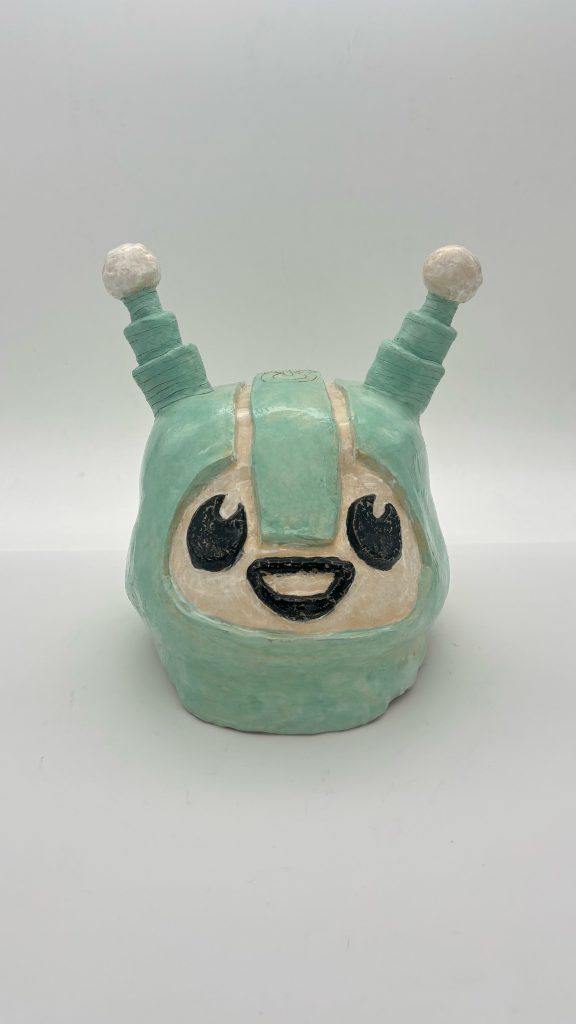
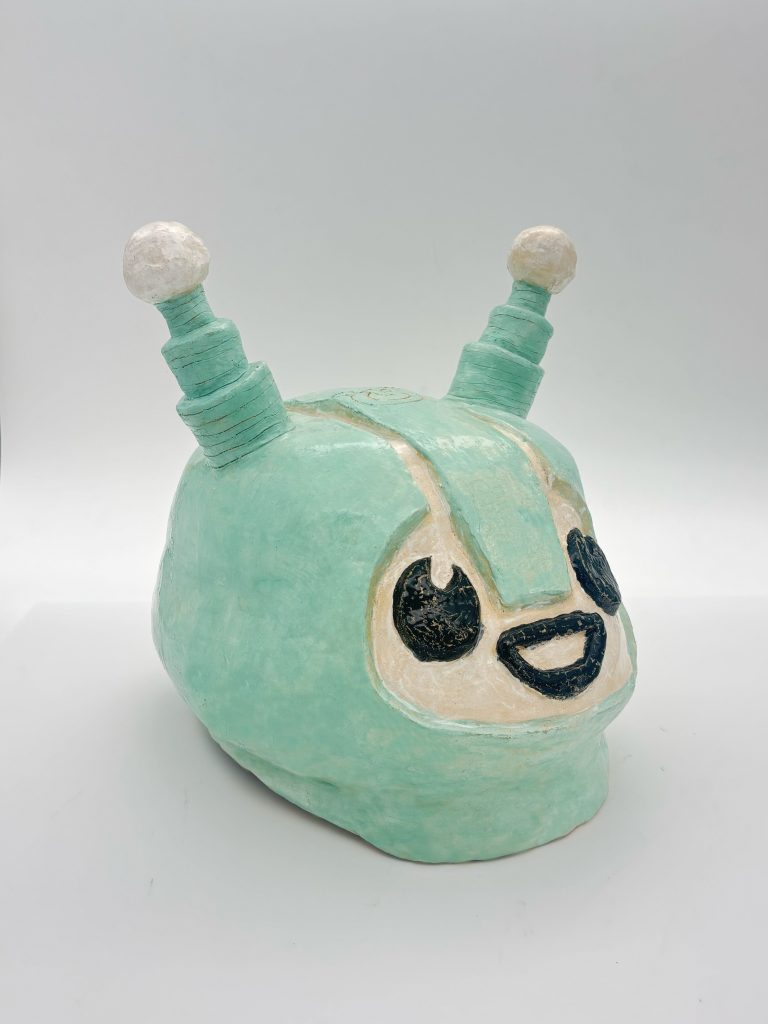
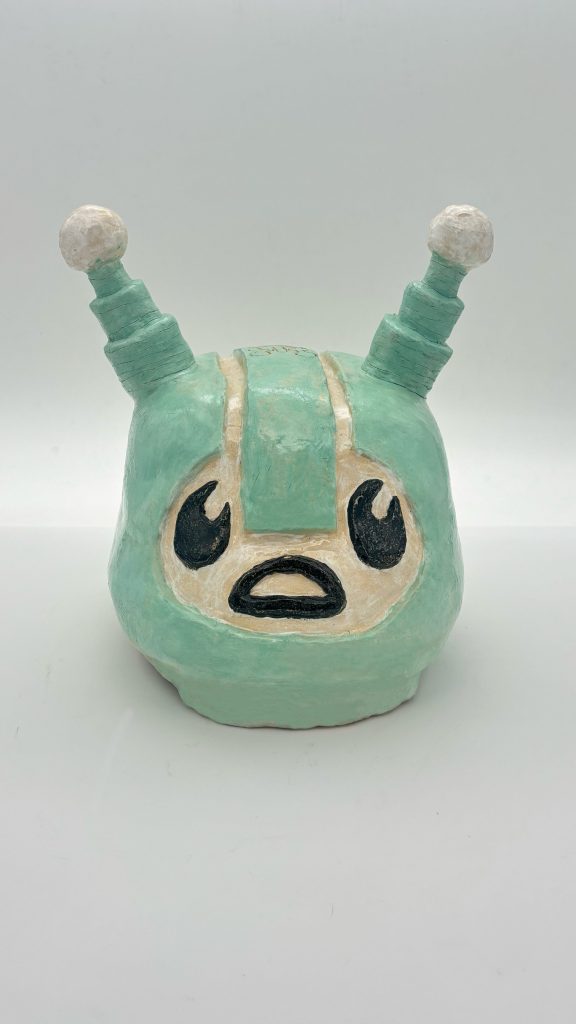
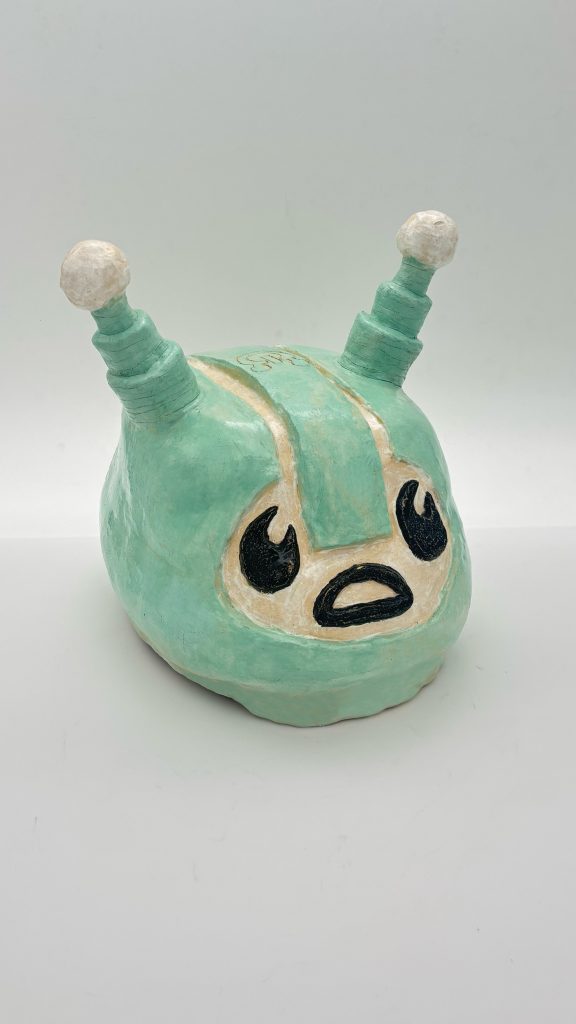
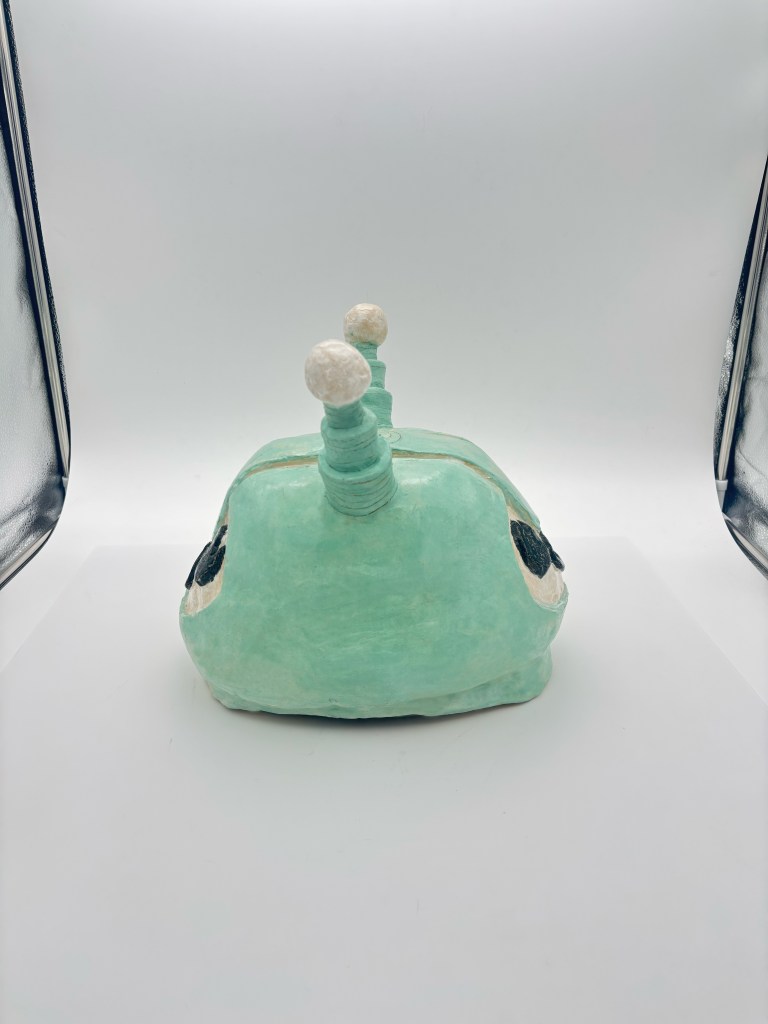
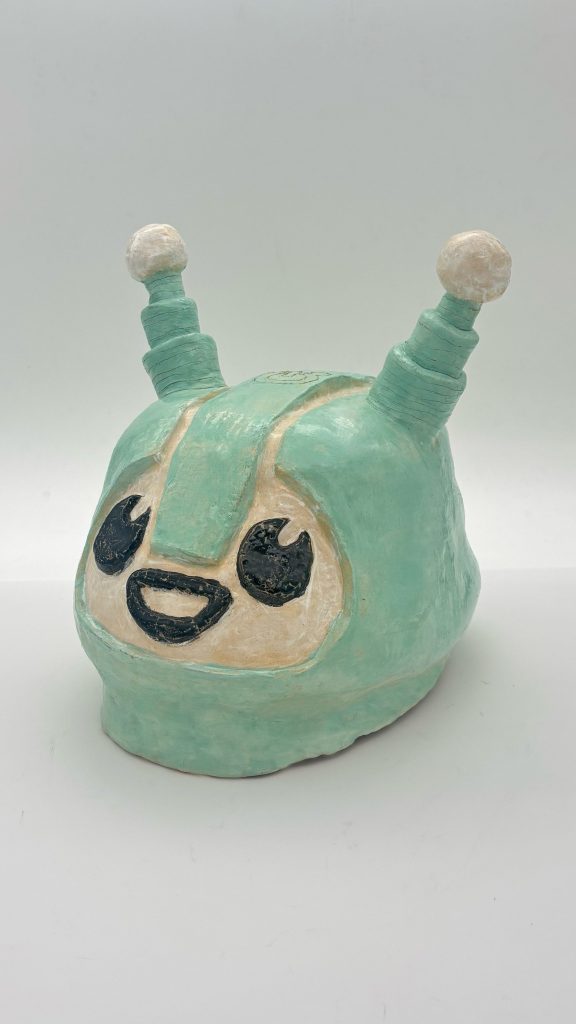
This piece is on neurodivergent (un)masking. The world can be overwhelming at times, whether you’re neurodiverse or not. As technology consumes our world, it is important to look at what is real and tangible instead of giving into technological consumption for a quick fix. Feeling overwhelmed? Just put your head inside the helmet and breathe for a moment. Both sides display a different emotion to communicate when words are too much, happy/sad. I feel with the rise of A.I. systems undermining artists, platforming physical and natural art media is increasingly more important.
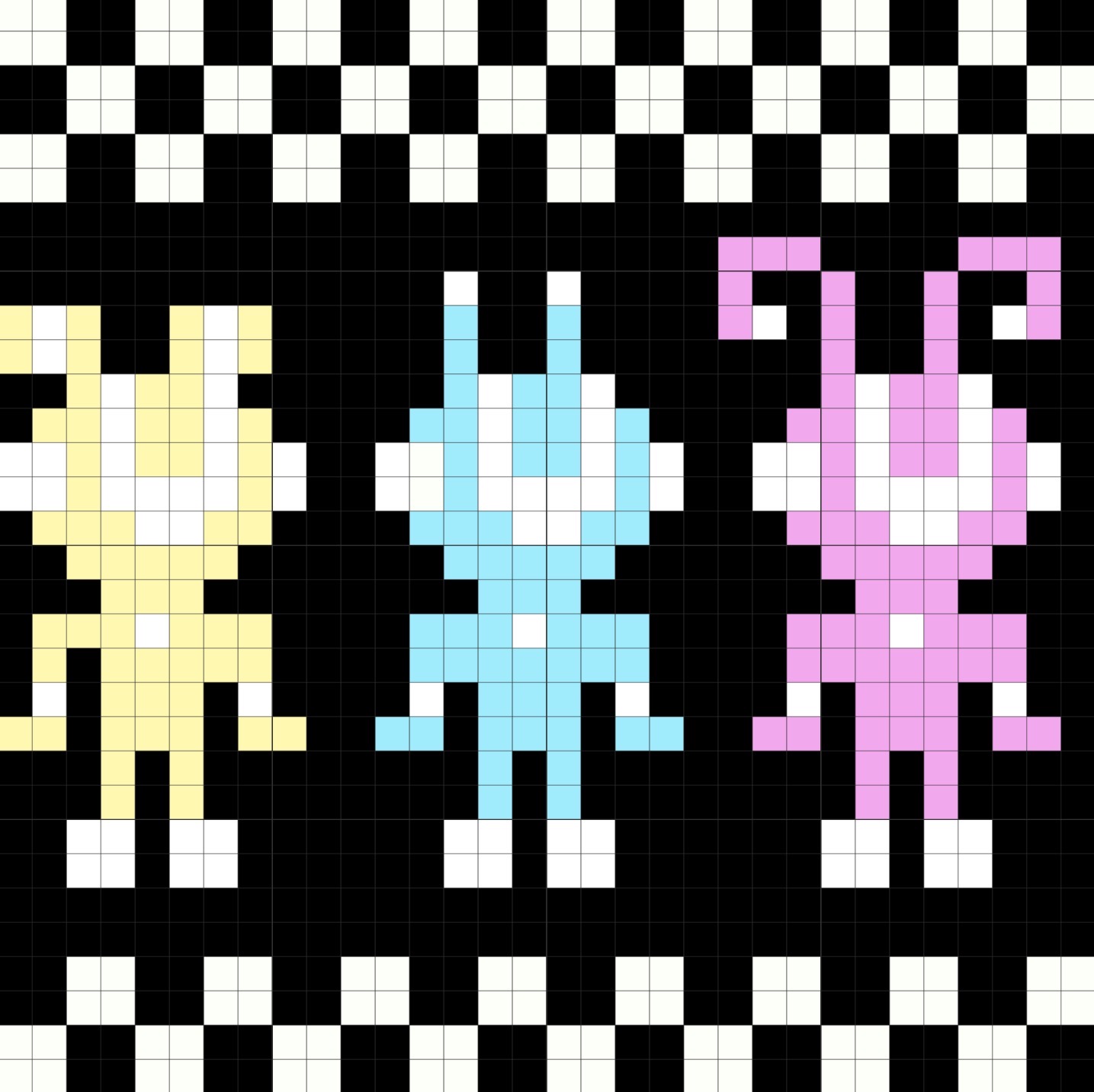
T⏻GGLE & FRIENDS (2026)
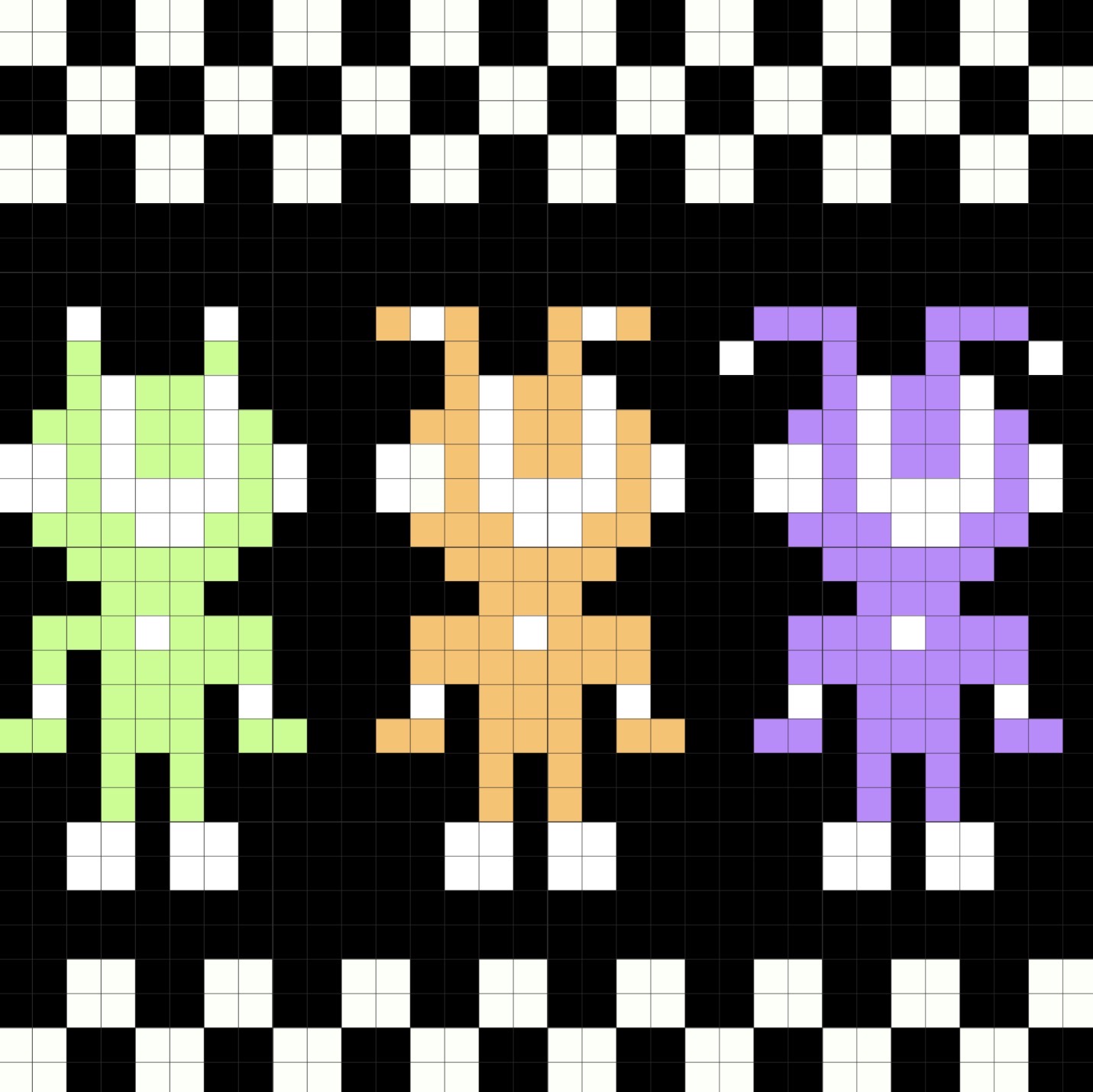
8-bit Character Designs – Nelson Anthony
Trashumante/ Migratory (2026)
Recycled Papier-Mâché Corset Sculpture – Nelson Anthony
10x8x6 inches
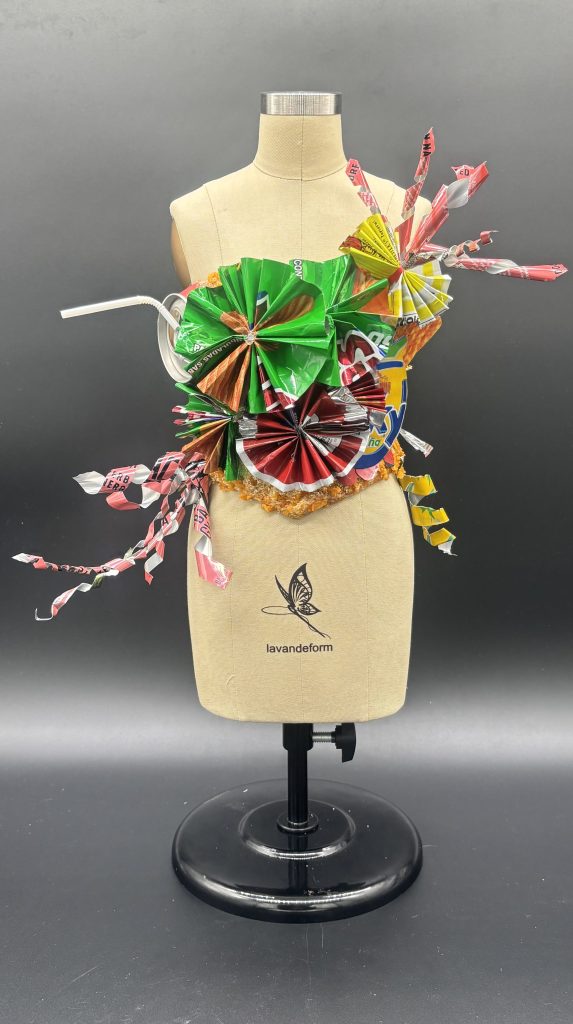
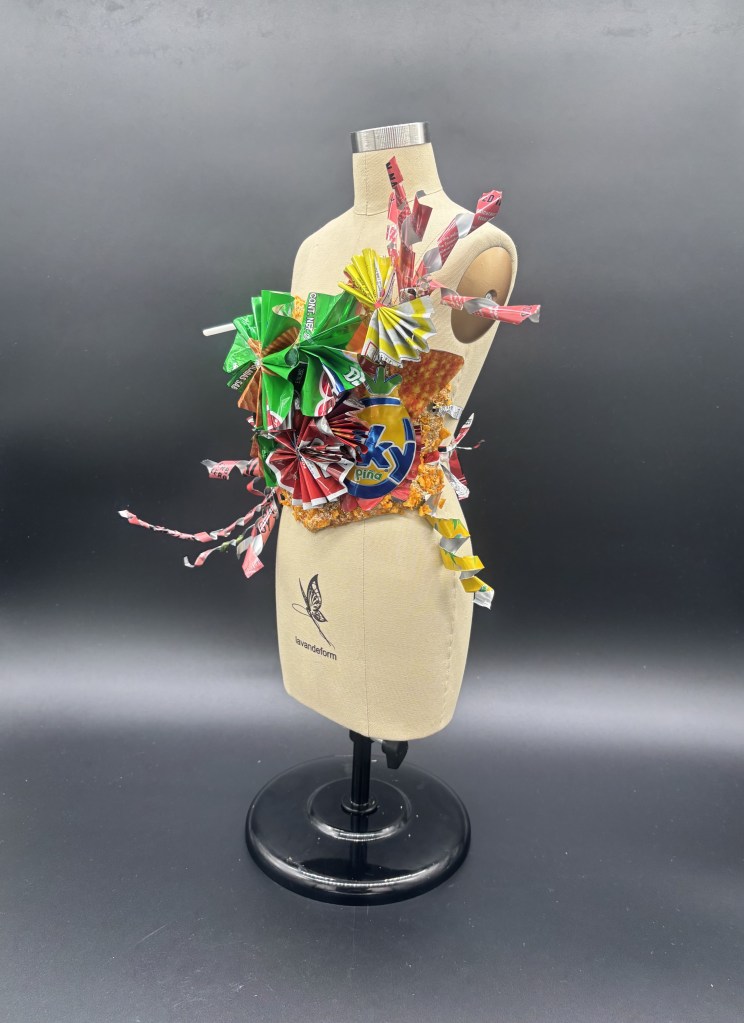
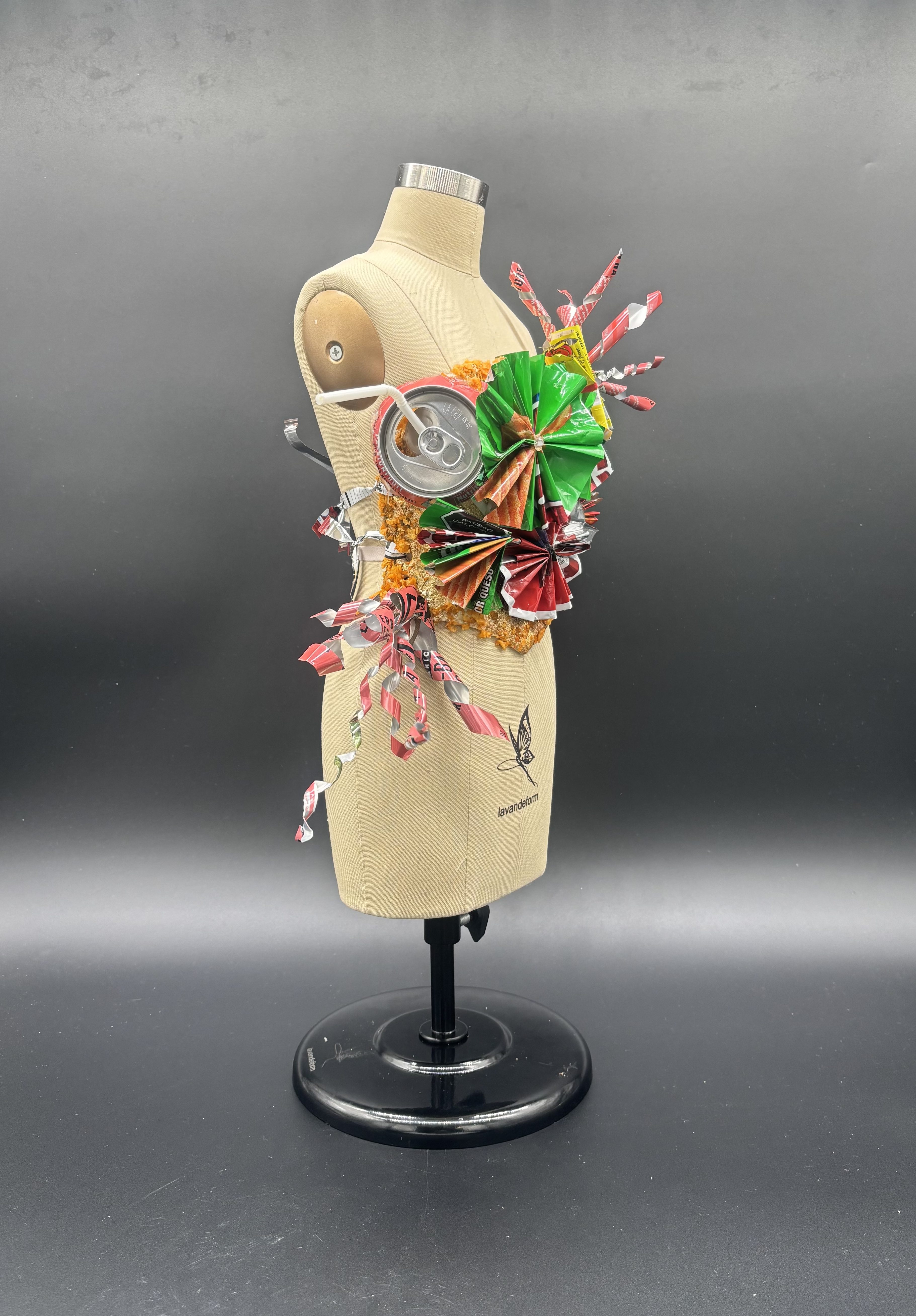
My corset “Trashumante” is titled after a Spanish word that translates to “migratory” in English. This piece explores topics regarding pollution of homelands in Latin America and migration. I went in with the intention of recycling trash from both my parent’s homeland and my own. Some of the products I used in this sculpture are imports from Guatemala and other Latin American countries. These snack bags and cans are bitter sweet memories to me as I grew up consuming them as a child. I used to go down to my local recycling shop with my parents after garnering trash in exchange for money. They love to consume us, but don’t respect us.
This sculpture brings light to the lack of care corporate industries have towards natural ecosystems, rainforests, and marginalized communities in the global south. In our current political climate, many immigrants in the United States are treated similarly to how we treat trash. These oppressive systems simultaneously contribute to Earth’s pollution. In an act to combat this, I created a recycled relief art piece using the colors and silhouette of Quetzal birds native to Guatemala. The Quetzal bird carries an expression of agony and anger within its current circumstances of rapid climate change.

