
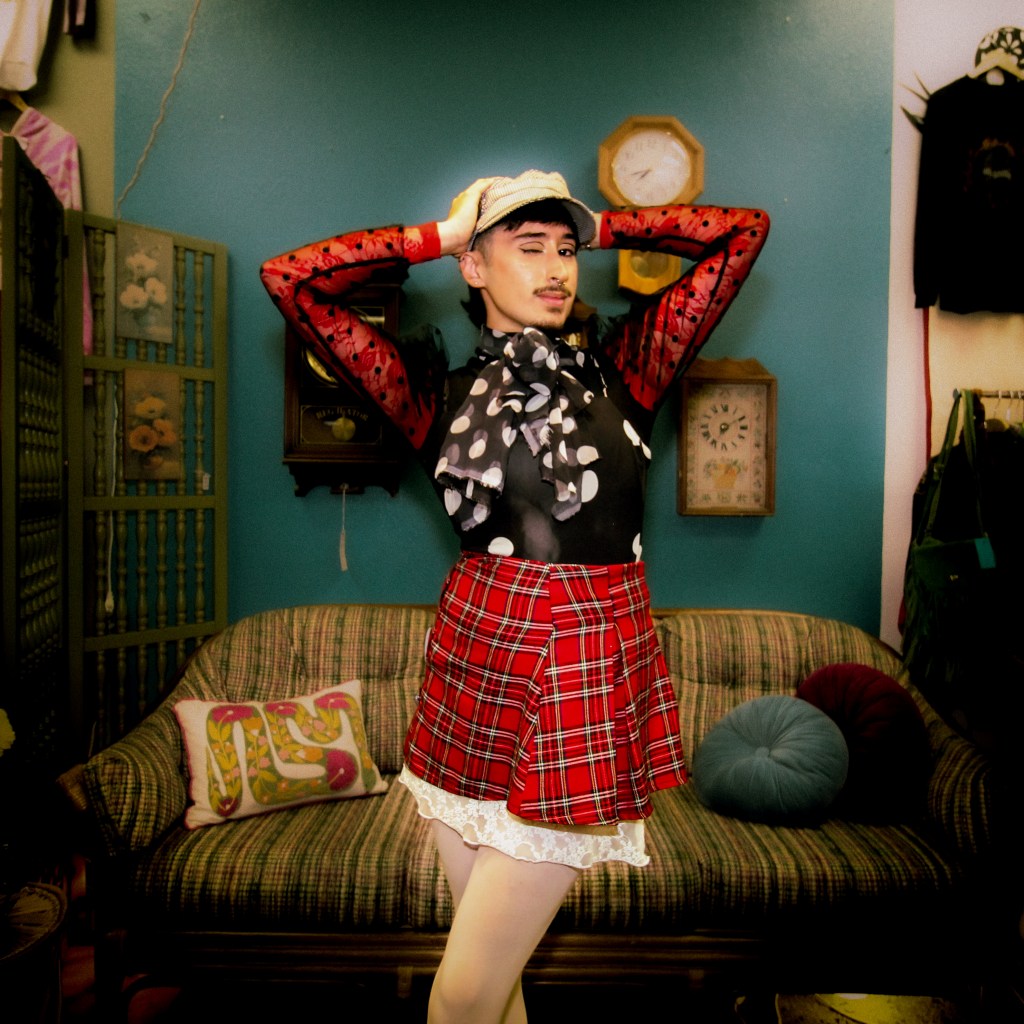
Set in a Vintage shop, this shoot explores culture’s current recession and its influence on modern fashion. The reemergence of polkadots and red lipstick is a recession indicator also seen in 1950s-60s fashion. It was a form of wanting to feel luxurious in times of recession.
Set design and Styling
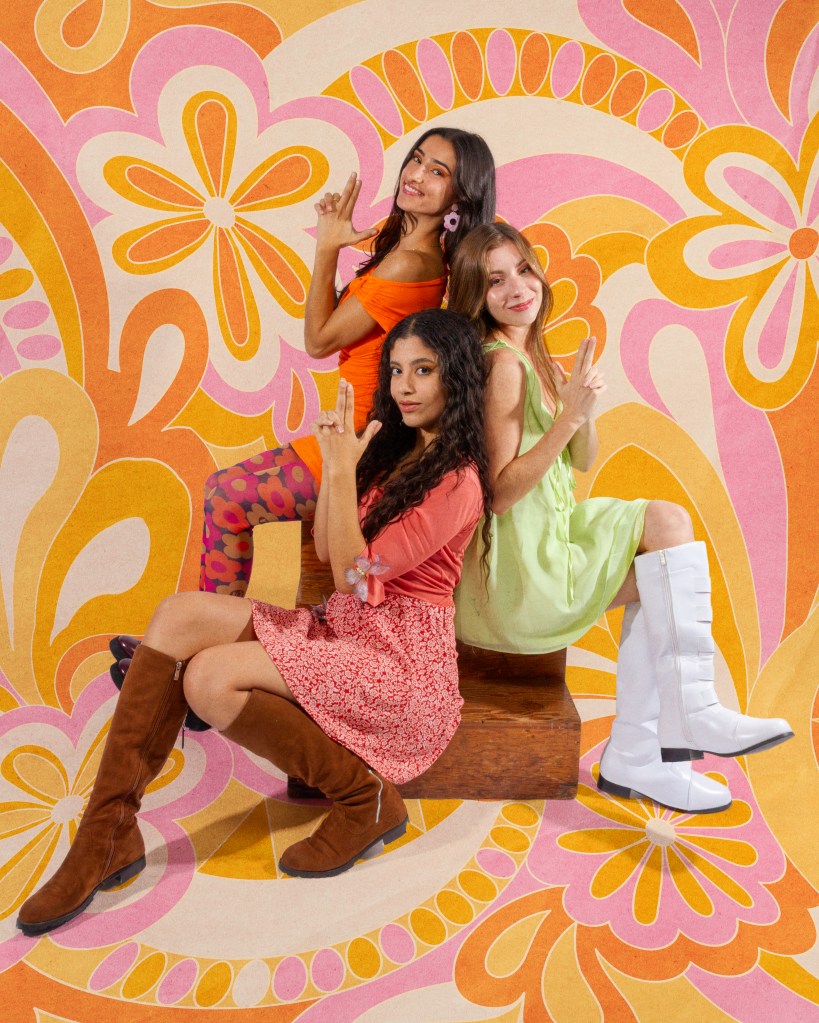

This is a nod to the 1960s Flower Power Movement with an intersectional feminist twist. My criticism of the 1960s flower power movement is that it was too white and upper-middle class. This shoot features a diverse group of women models empowering womanhood and femininity.

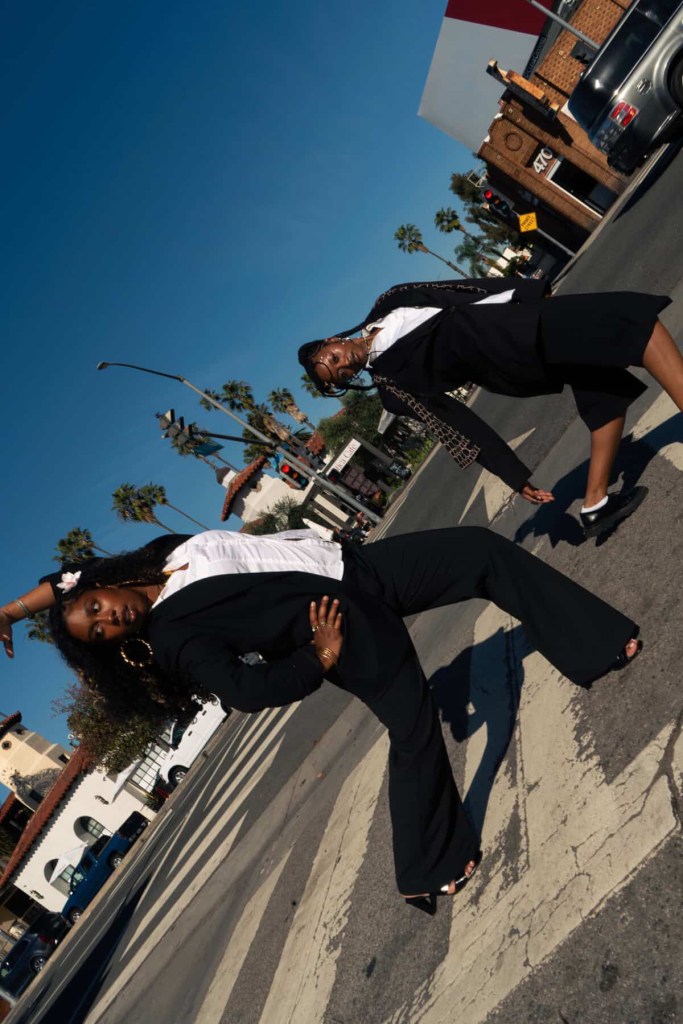
Many art spaces have been pioneered by black artists and artists of color who are often overlooked. The premise of this shoot is to pay respects to past creative directors in Campus Couture History. Photographed are Anjali Knight and Ahni Dominique, two black women who are actively crossing creative bounds to pave ways in creative fields for black artists alike.


Trashumante
By Nelson Ponce-Chosco
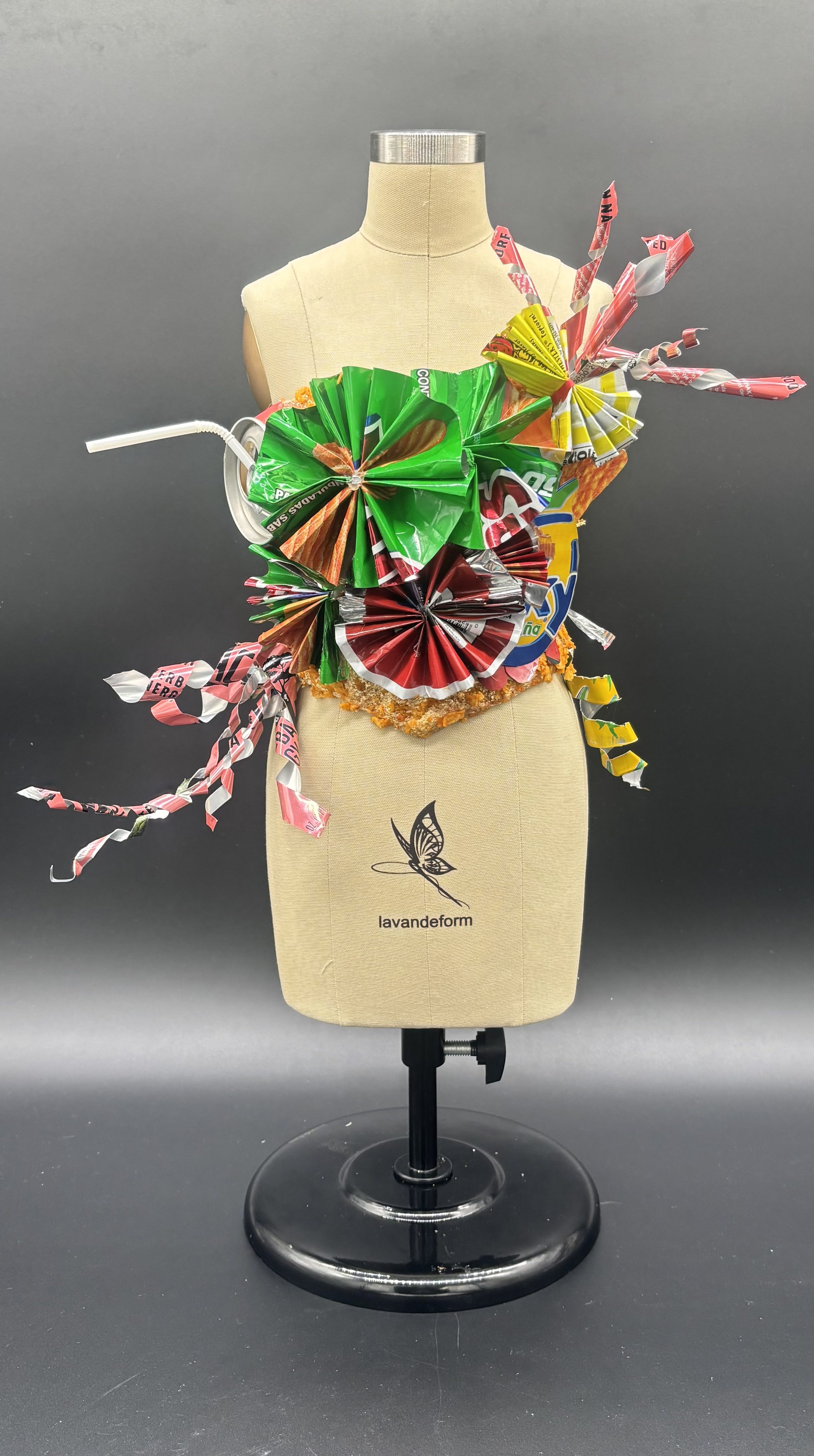
My corset titled “Trashumante” is a Spanish word that translates to “migratory” in English. This piece explores topics regarding pollution of homelands in Latin America and migration. I went in with the intention of recycling trash from both my parent’s homeland and my own. Some of the products I used in this sculpture are imports from Guatemala and other Latin American countries. These snack bags and cans are bitter sweet memories to me as I grew up consuming them as a child. I used to go down to my local recycling shop with my parents after garnering trash in exchange for money.
This sculpture brings light to the lack of care corporate industries have towards natural ecosystems, rainforests, and marginalized communities in the global south. In our current political climate, many immigrants in the United States are treated similarly to how we treat trash. These oppressive systems simultaneously contribute to Earth’s pollution. In an act to combat this, I created a recycled relief art piece using the colors and silhouette of Quetzal birds native to Guatemala. The Quetzal bird carries an expression of agony and anger within its current circumstances of rapid climate change.
 NELSON PONCE-CHOSCO